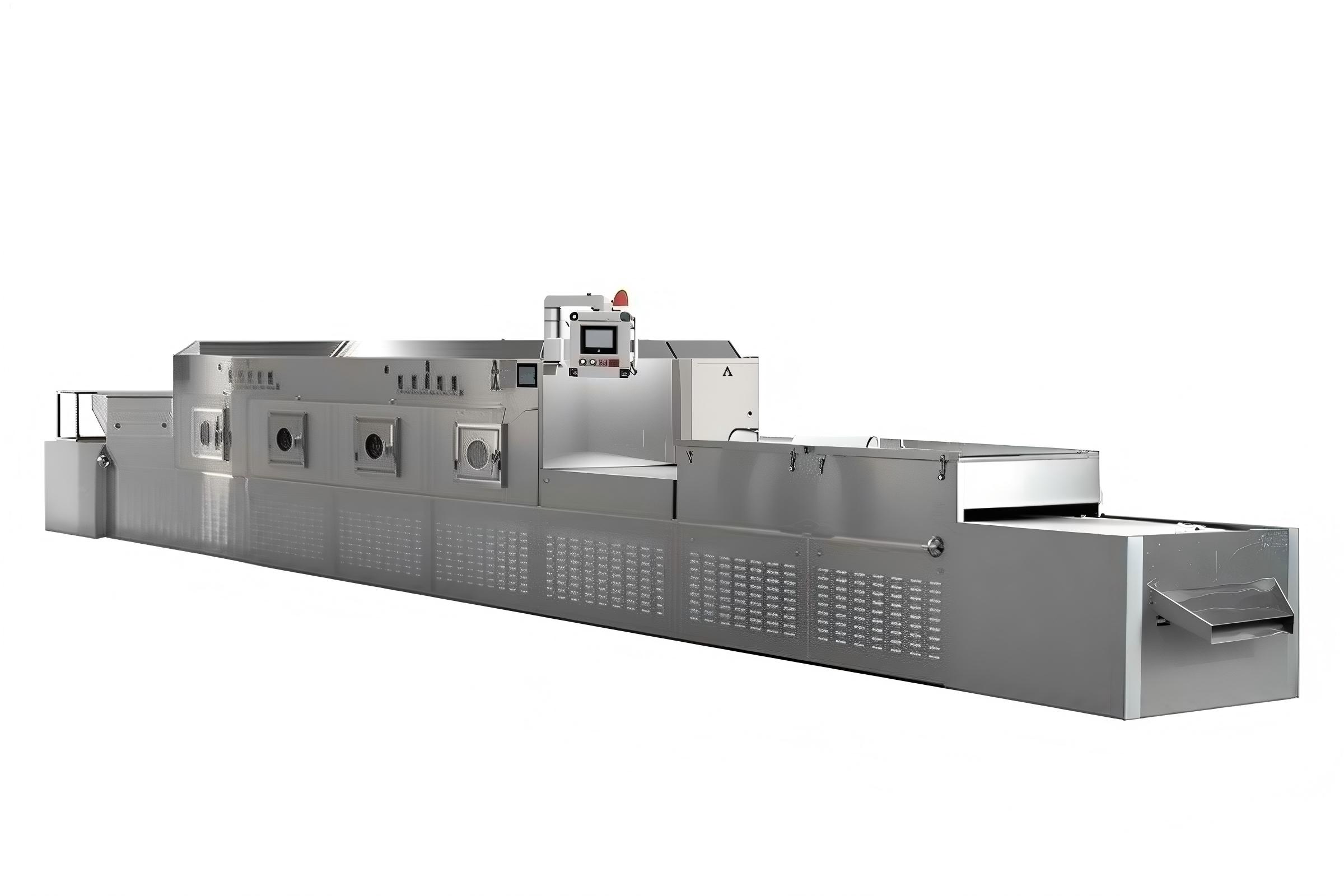
In the quest for more efficient, consistent, and environmentally friendly drying solutions, microwave drying equipment has emerged as a game-changing technology for a wide range of industries. Unlike conventional drying methods that rely on slow heat conduction from the surface inward, microwave systems utilize electromagnetic energy to generate heat directly within the material. This fundamental difference unlocks a host of advantages that translate into faster production, superior product quality, and significant energy savings.
At the heart of microwave drying is the direct interaction between microwave energy and polar molecules—primarily water—within the material. Microwaves, typically at frequencies of 915 MHz or 2.45 GHz, cause these molecules to oscillate at high speed, generating friction and heat from the inside out. This “volumetric heating” eliminates the need for prolonged warm-up periods and bypasses the limitations of thermal conductivity, dramatically reducing drying time. In many cases, microwave drying can be up to ten to twenty times faster than traditional hot air or steam drying, while consuming considerably less energy.
Energy Efficiency and Rapid Drying
Because heat is generated internally, there is minimal loss of energy to the surrounding environment. The rapid heating effect means shorter processing cycles, allowing manufacturers to increase output without expanding floor space or adding extra shifts. Lower energy consumption not only reduces operational costs but also supports sustainability goals by cutting greenhouse gas emissions.
Uniform Heating and Superior Product Quality
Microwaves selectively target moisture-rich areas, automatically balancing internal temperature and moisture distribution. This prevents common defects found in conventional drying, such as surface hardening, scorching, internal moisture retention, cracking, or warping. As a result, the final product retains its original color, texture, flavor, and nutritional value—critical factors in food, herbal, and high-value material processing.
Intelligent Control and Ease of Operation
Modern microwave dryers feature instantly adjustable power outputs and seamless integration with temperature and humidity sensors. This enables fully automated process control, ensuring repeatable results with minimal human intervention. The elimination of boiler preheating and complex thermal ramping makes these systems ideal for incorporation into continuous production lines.
Safety and Environmental Friendliness
Microwave drying takes place inside sealed chambers, which contain heat and prevent contamination. There is no combustion involved, so no exhaust gases or waste heat are released into the workspace. This creates a cleaner, safer environment for workers, free from the high temperatures and humidity typical of conventional dryers. Furthermore, advanced safety interlocks protect operators and equipment from malfunctions.
Integrated Sterilization and Pest Control
Beyond drying, microwaves deliver both thermal and non-thermal effects that destroy mold spores, bacteria, and insect eggs. This dual action allows manufacturers to simultaneously dry and sterilize products, extending shelf life and reducing reliance on chemical preservatives or post-process treatments.
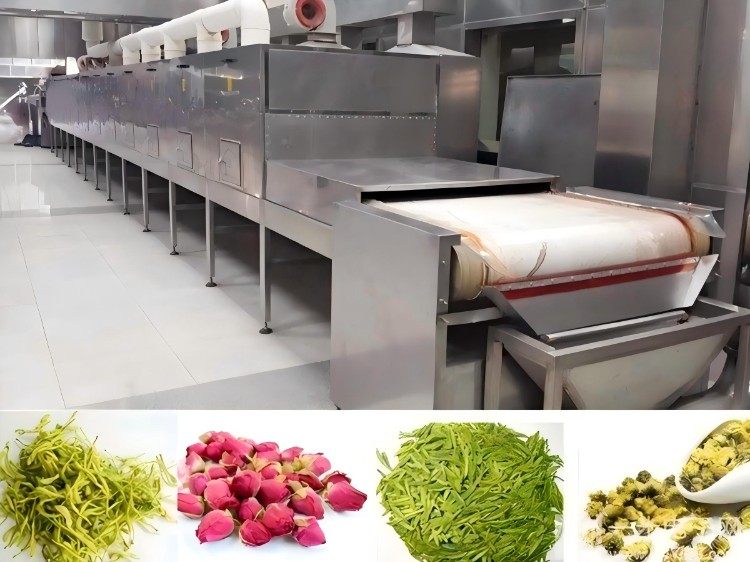
The unique characteristics of microwave drying make it suitable for a broad spectrum of applications. In the food industry, it is used to dry fruits, vegetables, seafood, grains, spices, and herbs while preserving taste, aroma, and nutrients. Bakeries and snack producers employ microwave drying for crisping and dehydrating products efficiently.
In pharmaceuticals and herbal medicine, microwave drying maintains bioactive compounds and volatile oils that might degrade under high-temperature convection drying. Nutraceutical manufacturers rely on its gentle yet thorough drying for powders, tablets, and extracts.
The chemical and mineral sectors benefit from microwave drying when processing heat-sensitive catalysts, ceramics, pigments, and specialty chemicals. The ability to stop drying precisely at the desired moisture level prevents over-processing and material degradation.
Even the textile and paper industries are adopting microwave drying to speed up moisture removal in fabrics, nonwovens, and specialty papers without damaging fibers or coatings.
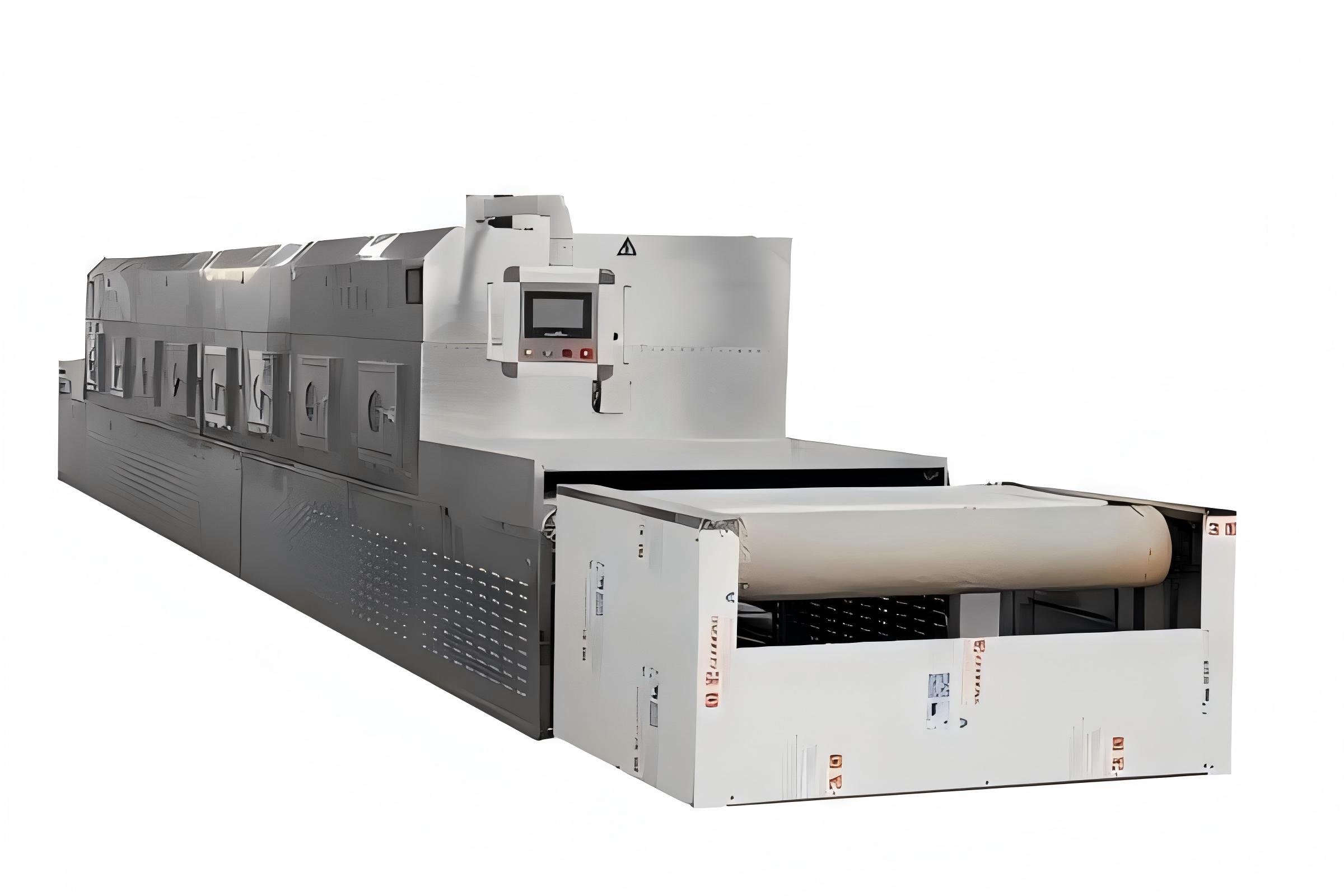
Microwave drying equipment represents a leap forward in industrial drying technology. Its combination of rapid processing, uniform heating, energy savings, and product integrity addresses many pain points faced by manufacturers today. Whether you are producing food, pharmaceuticals, chemicals, wood products, or textiles, microwave drying offers a versatile and future-proof solution that aligns with modern demands for efficiency, quality, and environmental responsibility.
By integrating microwave drying into your production line, you gain more than just a faster way to remove moisture—you unlock the potential for higher yields, better products, and a cleaner, safer workplace.
 RELATED
 RELATED
 RELATED
 RELATED
Copyright By © Shandong Shine Machinery Co.,Ltd
 ไทย
ไทย Indonesia
 Melayu
 Tiếng Việt
 Pусский
 Portugues
 Français
 Deutsch
 日本語
日本語 한국어
한국어 العربية
 Italiano
 Polski
 Nederlands
 Türk dili
 हिन्दी
 Ελληνικά
 Svenska
 Español