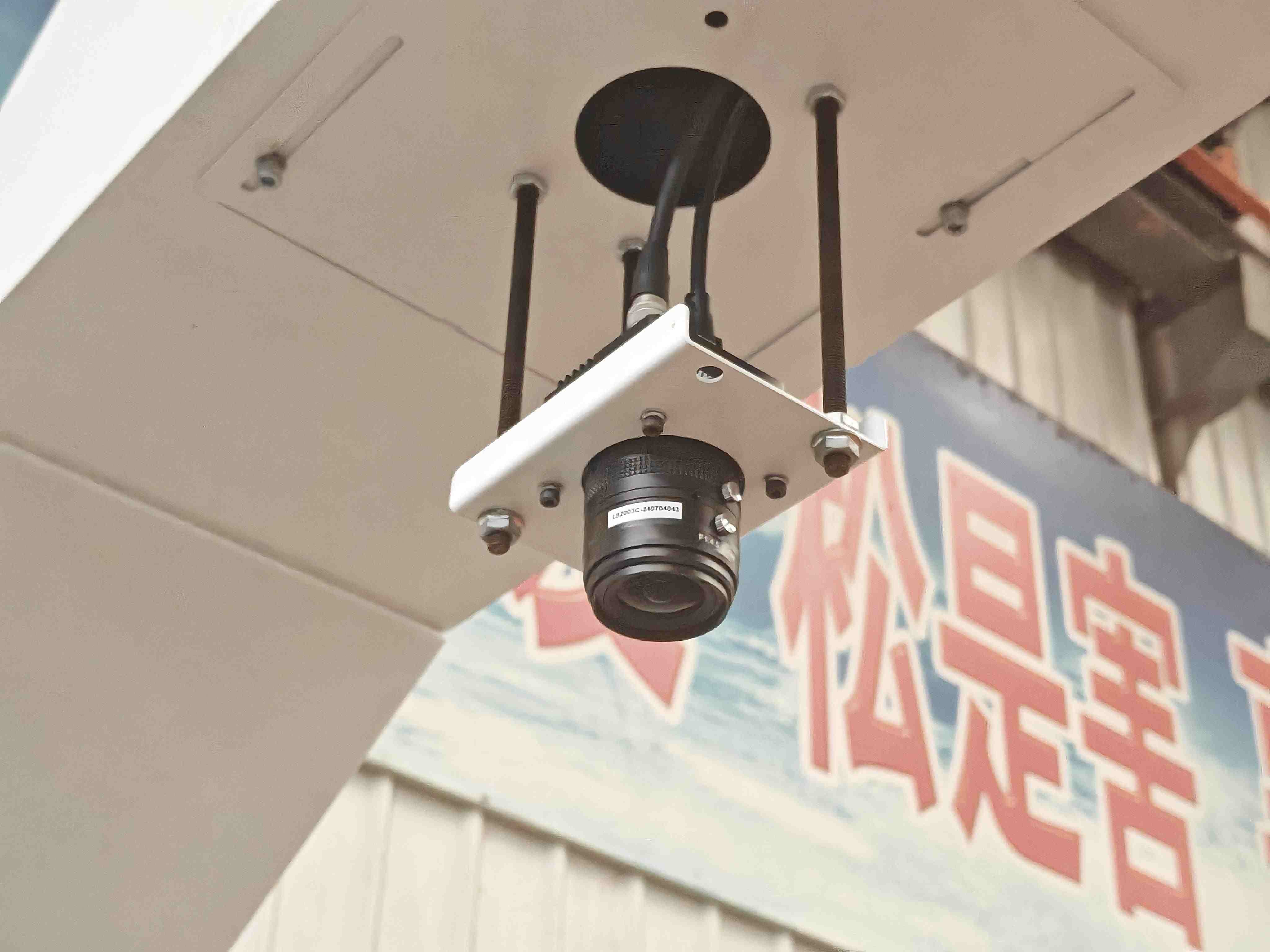
In the highly competitive world of veneer sheet processing and plywood manufacturing, precision and consistency are paramount. The visual grading system has emerged as an indispensable tool for factories seeking to automate quality control and optimize material utilization. This technology is now widely adopted across veneer sheet processing plants and plywood production facilities, serving as a critical checkpoint after the drying process.
When veneer sheets emerge from the dryer, they carry the promise of becoming high-quality plywood components, but they also bear the marks of their natural origin and the stresses of processing. Surface imperfections such as dents, knots, holes, splits, and discolorations are common. Traditionally, human inspectors performed this tedious task, relying on subjective judgment that could vary from person to person and shift to shift. This manual process was not only slow and prone to fatigue-related errors but also struggled to maintain the standardized grading required for large-scale, automated production lines. The visual grading system addresses these challenges head-on by introducing objective, high-speed, and repeatable analysis.
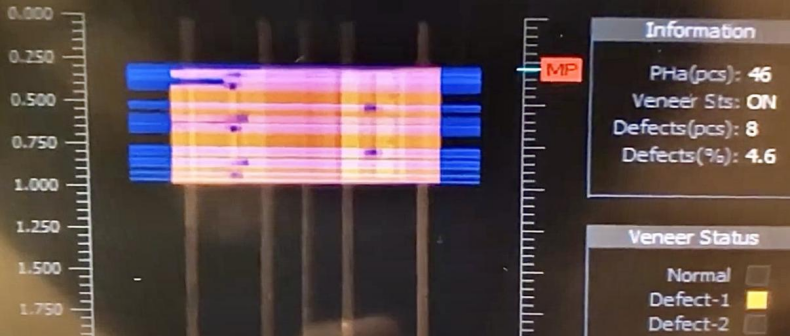
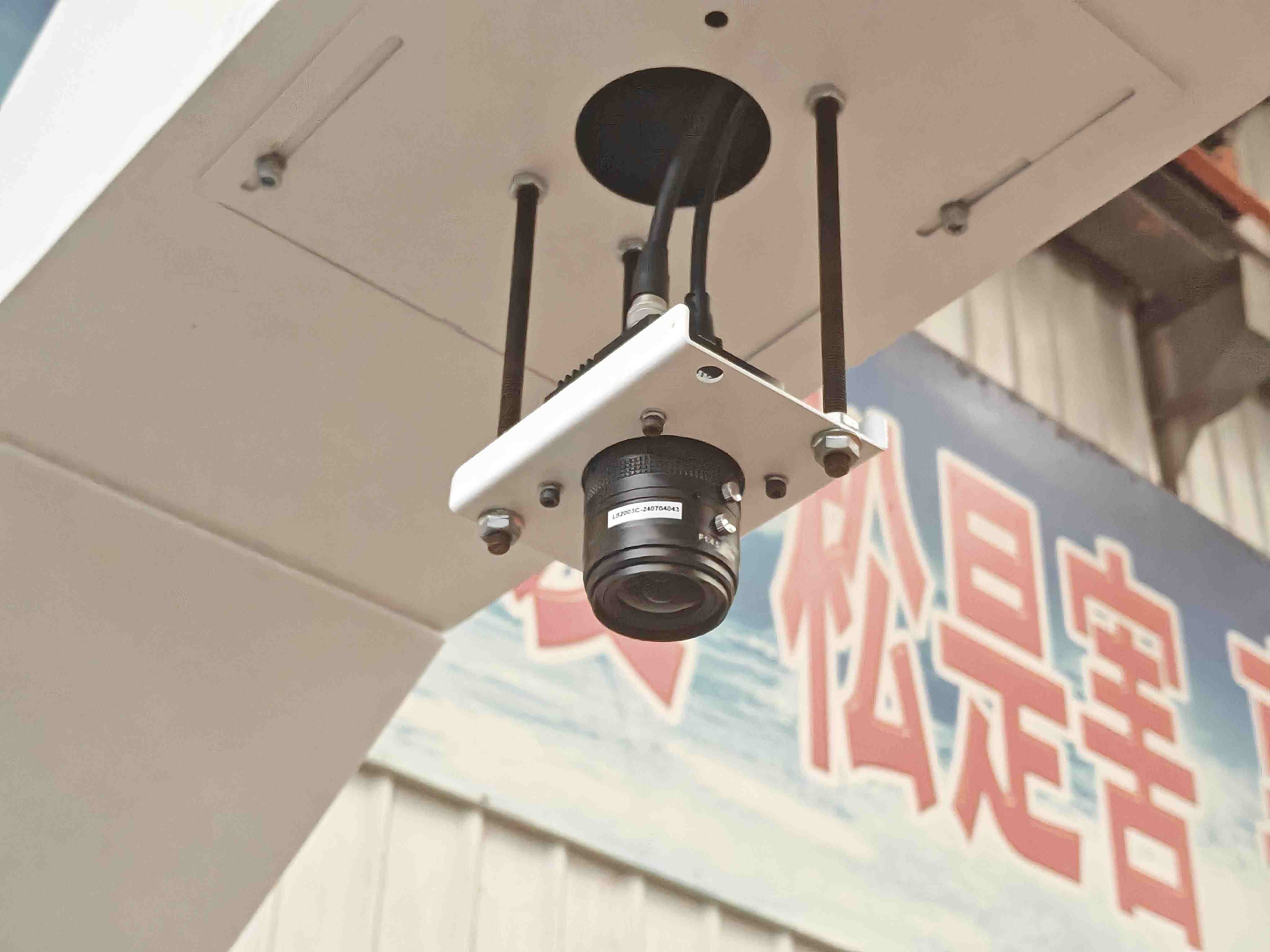
At the heart of this system is a sophisticated combination of high-definition imaging and artificial intelligence algorithms. As the dried veneer sheets are conveyed along a production line, they pass beneath strategically positioned high-resolution cameras. These cameras capture detailed images of the entire surface of each sheet, creating a comprehensive digital map of its condition. The AI algorithm, which has been trained on thousands of examples of both defective and perfect veneer sheets, then analyzes these images in real-time. It identifies and classifies specific anomalies—pinpointing the exact location and severity of a knot, measuring the depth of a dent, or identifying the size of a hole. This process is far more detailed and consistent than the human eye can achieve, operating at speeds that keep pace with the fastest production lines.
The result of this precise analysis is a systematic sorting process. Based on the factory’s specific grading requirements, the system automatically categorizes each veneer sheet into one of four standard tiers: Grade A, B, C, and D. Grade A is typically reserved for premium sheets with no visible defects, suitable for the face veneers of high-end furniture or architectural panels. Grade B might include sheets with very minor, acceptable blemishes, destined for less visible applications. Grade C could contain sheets with moderate defects, used in inner plies where appearance is not a factor. Finally, Grade D would be for sheets with significant flaws, which may be chipped for other uses or rejected entirely. The system then directs the sorted sheets to different stacking areas, creating organized, ready-to-use inventory piles.
By implementing a visual grading system, manufacturers gain a multitude of tangible benefits. First and foremost is a dramatic improvement in product quality and consistency. Every single sheet is evaluated against the same objective criteria, ensuring that customers receive a predictable and reliable product. This builds brand reputation and trust. Secondly, the automation of the grading process significantly increases throughput, allowing a factory to process more veneer sheets in a day than a team of human inspectors could manage. This efficiency directly translates to higher productivity and profitability. Furthermore, the system provides valuable data analytics, tracking the frequency and type of defects. This data can be used to identify recurring problems in upstream processes, such as issues with the peeling knife or the drying parameters, leading to continuous process improvement. In essence, the visual grading system is not just a piece of inspection equipment; it is a strategic investment in quality assurance, operational efficiency, and data-driven manufacturing.
How the Visual Grading System Works: A Step-by-Step Workflow
The visual grading system is designed to automate and standardize the inspection and sorting of dried veneer sheets, replacing manual observation with high-precision machine vision. Its workflow can be divided into five interconnected stages:
Copyright By © Shandong Shine Machinery Co.,Ltd
 ไทย
ไทย Indonesia
 Melayu
 Tiếng Việt
 Pусский
 Portugues
 Français
 Deutsch
 日本語
日本語 한국어
한국어 العربية
 Italiano
 Polski
 Nederlands
 Türk dili
 हिन्दी
 Ελληνικά
 Svenska
 Español