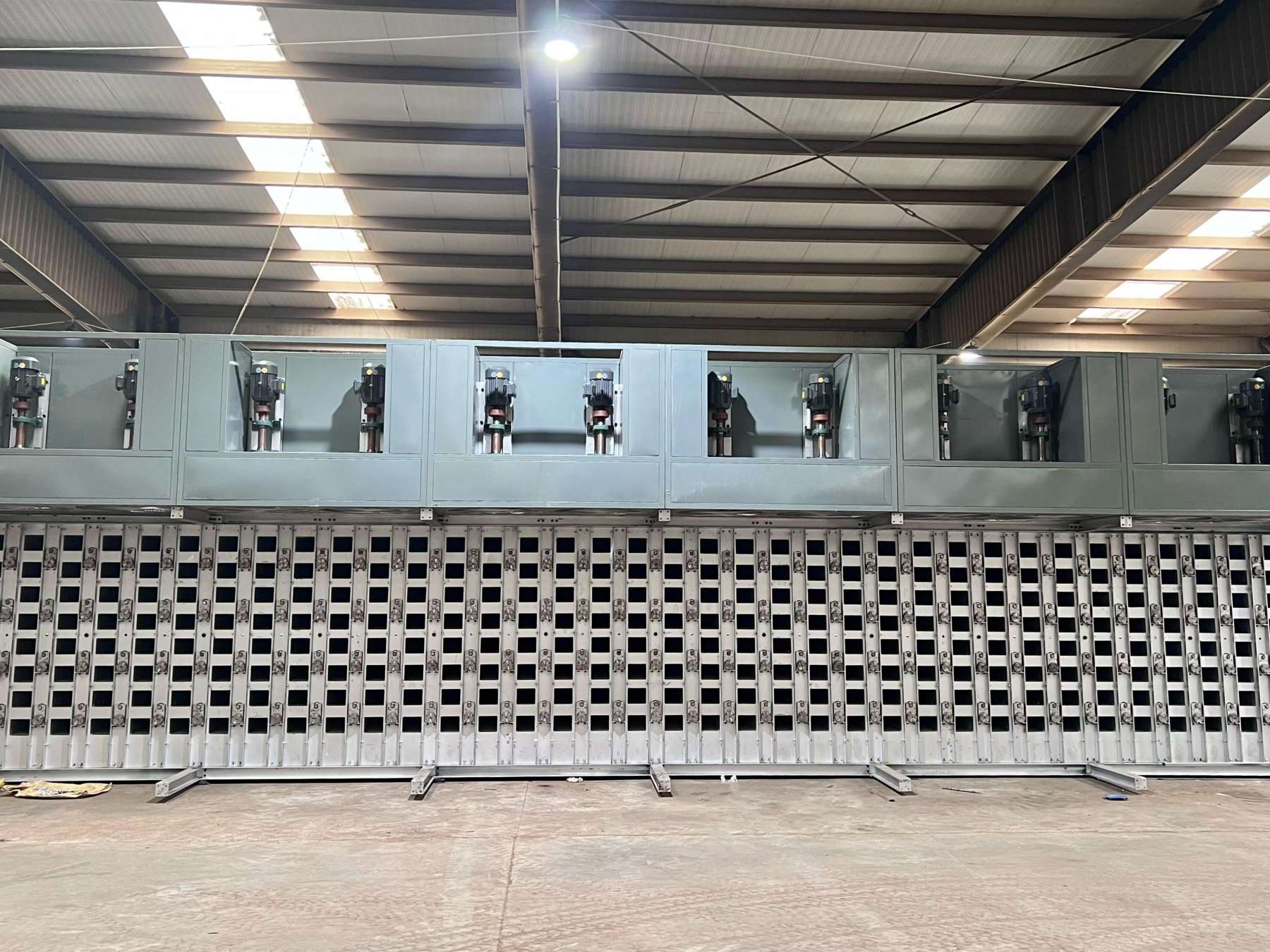
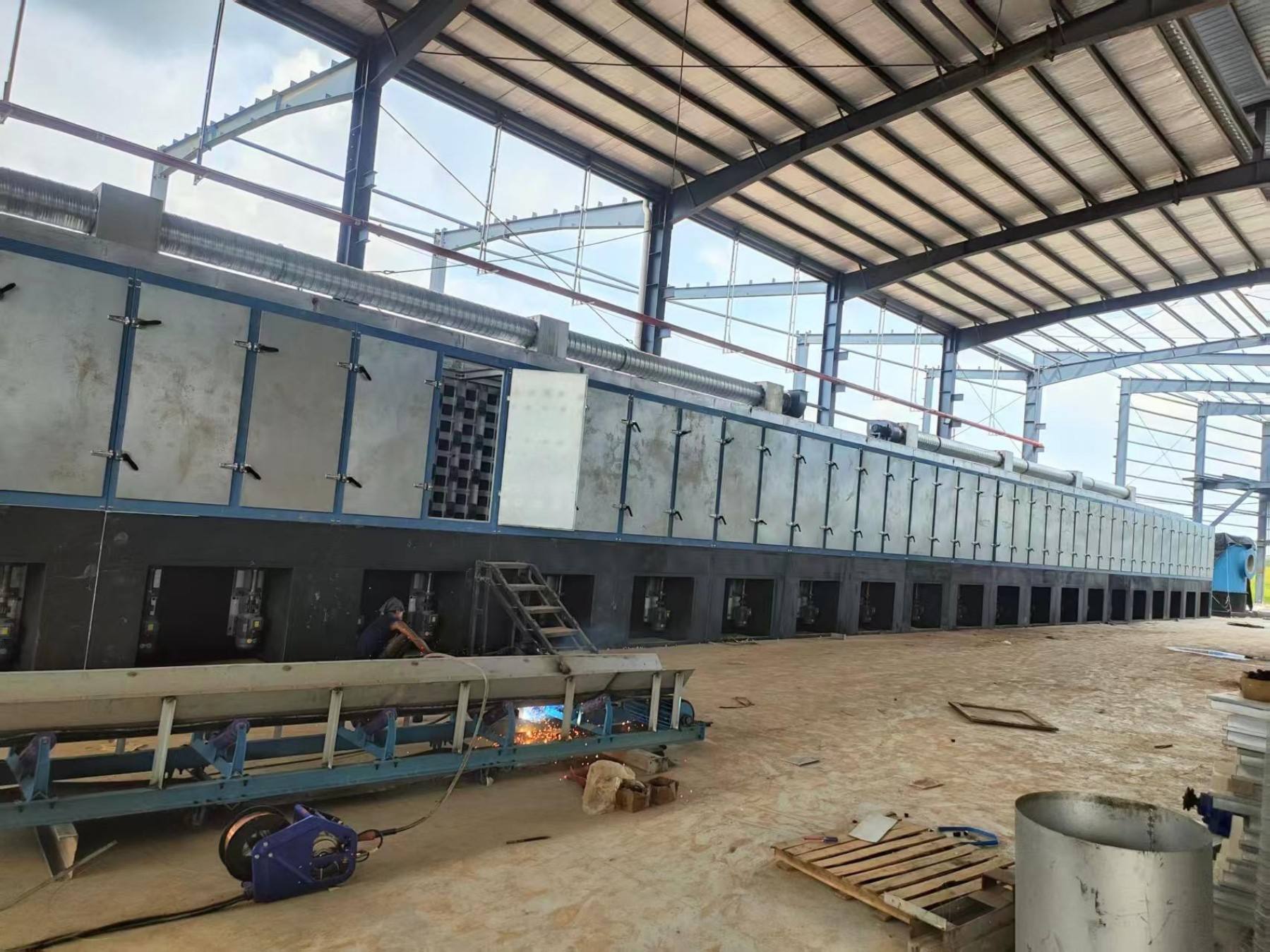
In modern veneer dryer systems, one component stands out for its ability to dramatically improve drying performance while reducing energy consumption — the axial fan. Often overlooked compared to heaters or control panels, axial fans play a pivotal role in circulating hot air evenly throughout the drying chamber. Their unique design characteristics make them ideally suited for high-capacity, continuous-duty applications like veneer drying, where maintaining uniform temperature and airflow is critical to product quality.
An axial fan operates by drawing air parallel to its rotating shaft and discharging it in the same direction. Unlike centrifugal fans that change airflow direction, axial fans excel at moving large volumes of air at relatively low pressure. This makes them exceptionally effective in scenarios where consistent, high-volume airflow is needed across wide spaces — exactly what veneer dryer chambers require.
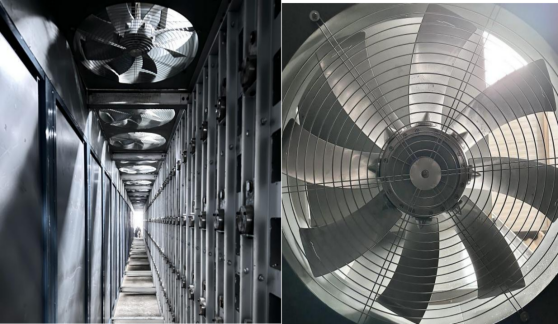
Energy Efficiency
Axial fans are designed to deliver high airflow with lower power input. Their blade geometry and motor selection allow for optimized performance, meaning that for the same volume of air moved, an axial fan consumes significantly less electricity than many alternative fan types. In industrial veneer drying operations where dryers run continuously for hours or even days, this reduction in energy usage translates into measurable cost savings and a smaller carbon footprint.
Large Airflow Capacity
Veneer dryers must move hot air through multiple layers of wood sheets, often stacked or arranged in wide conveyors. Axial fans can push a high volume of air at consistent velocity, ensuring that even the innermost layers of veneer receive adequate heat and moisture removal. This helps prevent the formation of damp patches that can lead to warping, delamination, or mold growth in the final plywood product.
In a typical veneer dryer, hot air is generated by finned tube radiators or other heat exchangers. To carry this heated air through the drying chamber, axial fans are mounted either horizontally or vertically, depending on the dryer design. They pull cool air from the return duct, pass it over the heating elements, and forcefully distribute it across the entire length and breadth of the chamber.
Because veneer sheets vary in thickness and species — each with distinct drying characteristics — maintaining uniform airflow is a complex task. Axial fans, with their ability to move air in a straight, powerful stream, can be positioned strategically to create cross-flow or co-current air patterns. This ensures that:
Thicker veneers get sufficient air contact to remove moisture from the core.
Thin veneers are not over-dried, which would make them brittle.
All sheets in a batch reach the target moisture content within the same drying cycle, reducing energy waste and production time.
In high-efficiency veneer dryers, multiple axial fans are often installed in series or parallel. This multi-fan configuration allows for zoned airflow control, where different sections of the dryer can be adjusted to match the specific drying needs of the load. For example, the pre-heating zone may use higher airflow to quickly bring green veneers to a safe processing temperature, while the finishing zone may employ lower, more controlled airflow to gently equalize moisture before the veneers exit.
Veneer dryers operate in challenging conditions: high temperatures, variable humidity, and constant exposure to wood dust. Axial fans used in these systems are therefore built with robust materials such as galvanized steel or aluminum alloy, and their motors are often rated for high-temperature performance. Some models include protective coatings to resist corrosion from resin or chemical residues in the wood.
Variable frequency drives (VFDs) are frequently paired with axial fans in modern veneer dryers. This allows operators to adjust fan speed in real time based on the load and moisture readings, further improving energy efficiency. For instance, if the moisture sensors detect that a batch is drying faster than expected, the VFD can reduce fan speed, cutting power use without compromising drying quality.
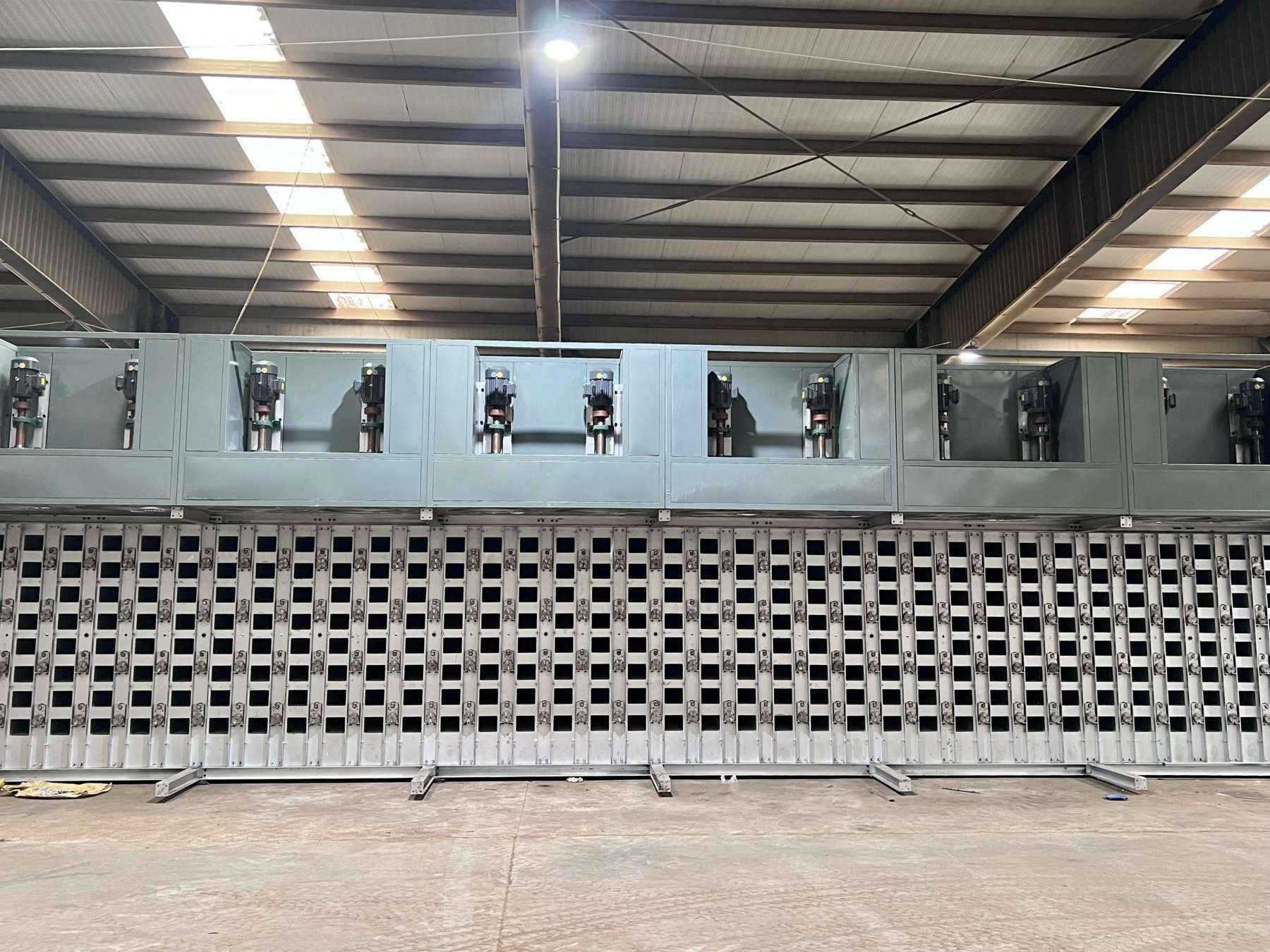
The contribution of axial fans to the veneer drying process goes beyond energy savings. By ensuring that hot air reaches every part of the load evenly, they help maintain consistent moisture levels across all veneer sheets. This uniformity is critical when the veneers are later bonded together in the plywood layup process. Unevenly dried veneers can expand or contract at different rates, causing the plywood to cup, twist, or delaminate. In severe cases, excess moisture can promote mold growth, ruining entire production batches.
In short, axial fans are a quiet yet powerful force in the battle for quality control in veneer dryers. Their energy-efficient operation and high airflow capacity make them the ideal choice for large-scale, continuous drying systems. For manufacturers aiming to produce flat, stable, and mold-free plywood, investing in well-designed axial fan systems is not just a technical decision — it is a strategic one.
Copyright By © Shandong Shine Machinery Co.,Ltd
 ไทย
ไทย Indonesia
 Melayu
 Tiếng Việt
 Pусский
 Portugues
 Français
 Deutsch
 日本語
日本語 한국어
한국어 العربية
 Italiano
 Polski
 Nederlands
 Türk dili
 हिन्दी
 Ελληνικά
 Svenska
 Español