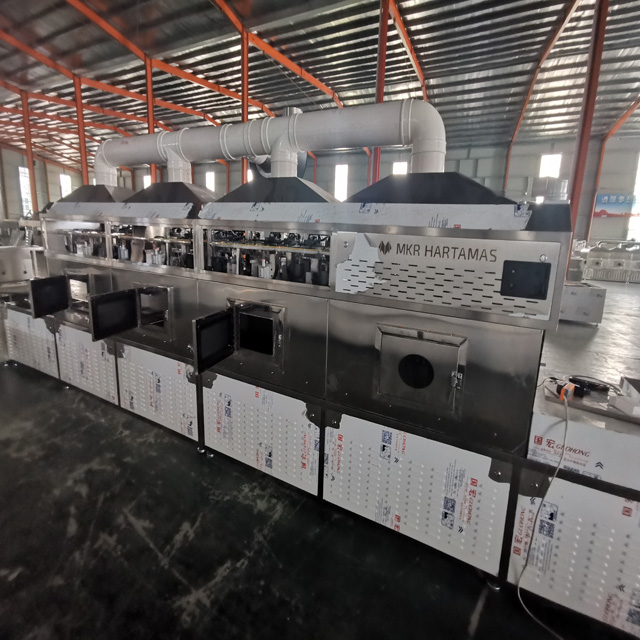
In the ever-evolving landscape of food processing, the quest for efficiency, quality, and sustainability has led to the adoption of advanced technologies. Among these, microwave drying stands out as a transformative method that is redefining how the industry approaches dehydration. Unlike conventional techniques that rely on external heat transfer, microwave drying utilizes electromagnetic energy to generate heat directly within the product itself. This fundamental difference unlocks a new paradigm of speed, energy savings, and superior product quality, making it an indispensable tool for modern food manufacturers aiming to stay competitive in a demanding global market.
The principle behind microwave drying is both elegant and powerful. Microwaves are a form of non-ionizing electromagnetic radiation. When these waves penetrate a food product, they interact primarily with polar molecules, most notably water. This interaction causes the water molecules to oscillate billions of times per second. The intense friction generated from this rapid movement produces heat instantaneously and volumetrically throughout the material. This internal heating mechanism is the core of its advantage. Traditional hot-air drying transfers heat from the outside in, creating a moisture gradient where the surface dries and hardens first, potentially trapping moisture inside and leading to longer drying times and degraded quality. Microwave drying, by contrast, heats the entire mass simultaneously, driving moisture from the inside out. This results in a more uniform drying process, significantly reduced processing time, and a final product with better-preserved characteristics.
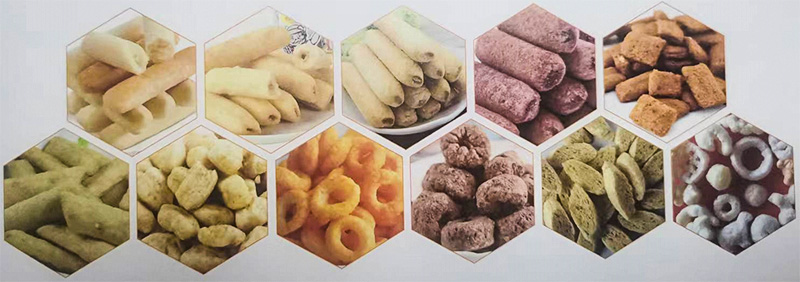
The unique benefits of microwave drying make it particularly suitable for a wide range of food products, each with specific quality challenges that conventional methods struggle to address.
Fruits and Vegetables: This is one of the most prominent application areas. Microwave drying excellently preserves the color, texture, and vital nutrients (e.g., vitamins and antioxidants) of fruits like berries, mangoes, and apples, and vegetables like carrots, onions, and herbs. The rapid drying process inhibits enzymatic browning and minimizes the loss of heat-sensitive compounds, resulting in vibrant, high-quality snacks and ingredients.
Herbs and Spices: The quality of herbs and spices is defined by their volatile aromatic oils. The shortened drying time of microwave technology is crucial here, as it rapidly reduces the moisture content without allowing these precious oils to evaporate. This leads to end products with a much more potent aroma, richer flavor, and brighter color compared to air- or sun-dried alternatives.
Meat Jerky and Seafood: For protein-based products, consistent drying is critical for safety, shelf life, and texture. Microwave drying ensures uniform moisture reduction throughout the product, effectively mitigating the risk of microbial growth in under-dried spots. It also provides better control over the final texture, preventing the tough, over-dried exterior that can occur with traditional methods.
Instant Foods and Ingredients: The ability of microwave drying to create highly porous structures is invaluable for producing instant soups, cereals, and powdered ingredients (e.g., instant mashed potatoes, powdered cheese). This porosity allows for extremely fast rehydration, a key consumer-desired attribute.
Crispy Snacks: For snacks like banana chips, potato chips, and other crispy products, microwave drying can achieve a crisp texture while reducing oil uptake if combined with other methods (e.g., vacuum microwave drying), offering a pathway to healthier snack options.
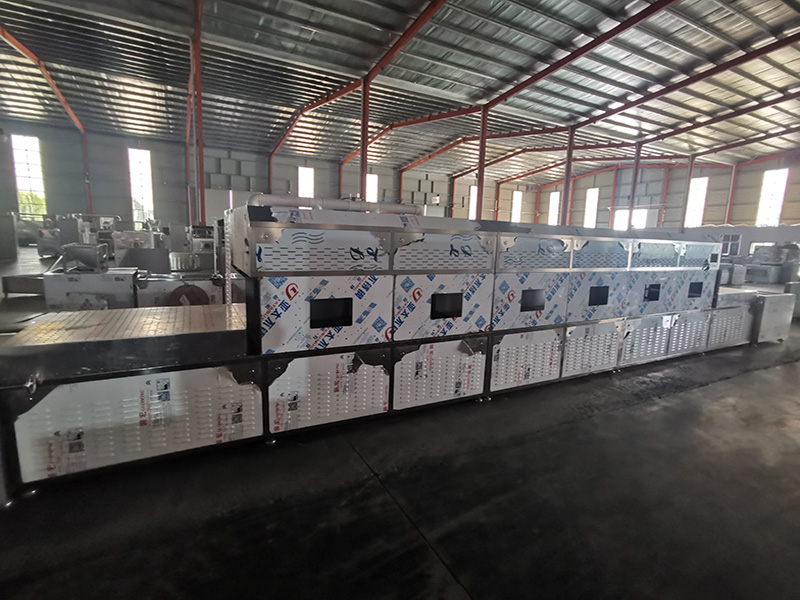
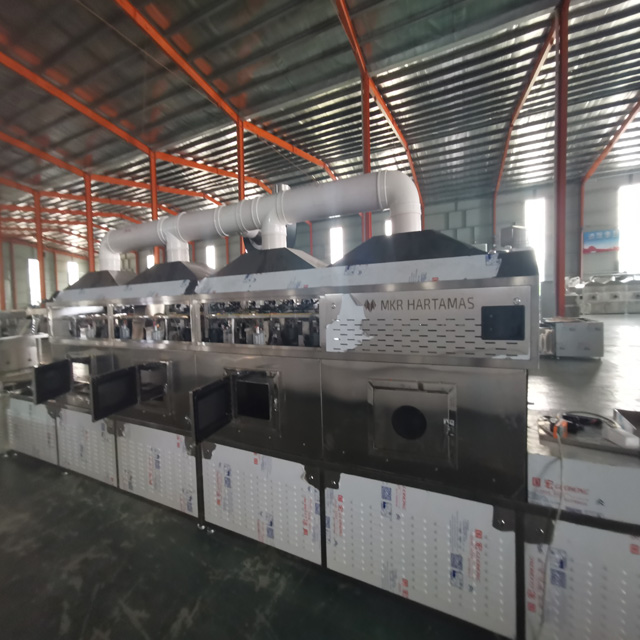
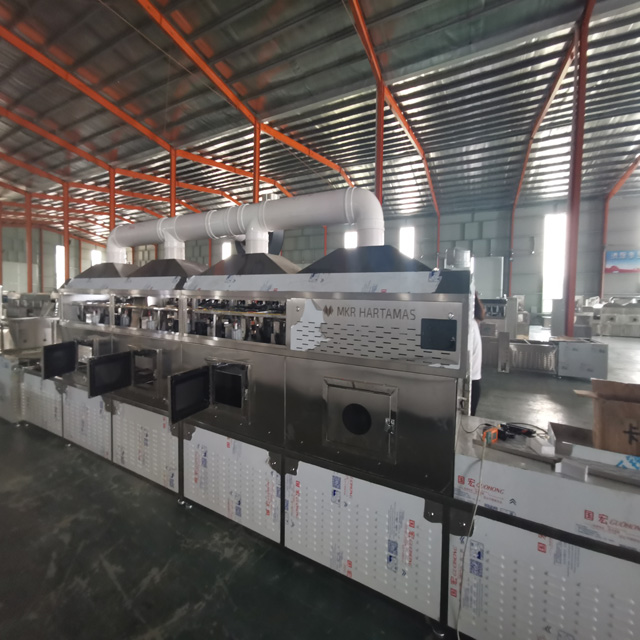
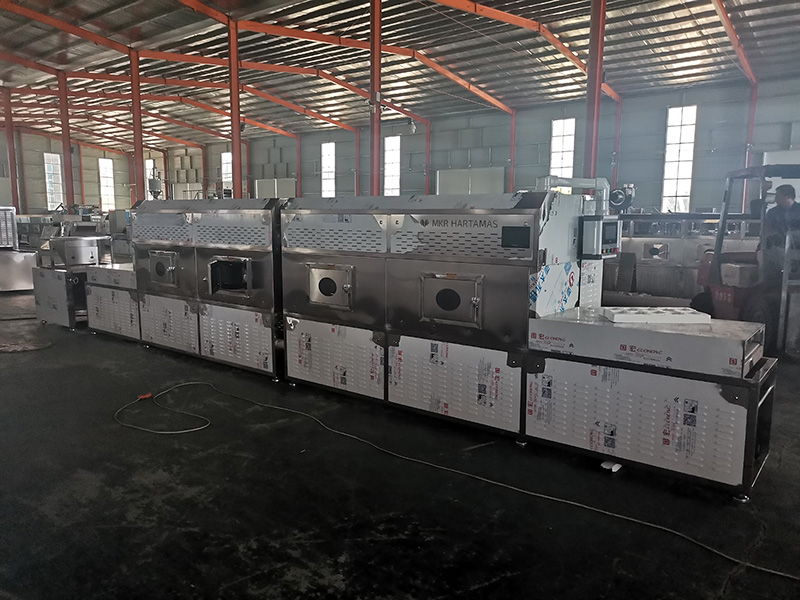
The shift to microwave drying is driven by a compelling array of advantages that directly impact a processor's bottom line and product marketability.
Unmatched Speed and Efficiency: Drying times are typically reduced by 50-90% compared to conventional methods. This dramatic increase in throughput allows manufacturers to achieve higher production volumes within the same facility footprint and time frame, leading to a significant boost in overall operational efficiency.
Superior Energy Efficiency: Because microwaves heat the product directly rather than the surrounding air or the dryer walls, the energy transfer is exceptionally efficient. A greater percentage of the input energy is used for the actual drying process, leading to substantial energy savings and a reduced carbon footprint.
Exceptional Product Quality: This is perhaps the most significant benefit. Volumetric heating prevents case-hardening, resulting in a product with a more uniform moisture profile. It better retains the natural color, shape, flavor, and nutritional value of the food. The final product is often of a premium quality that can command a higher market price.
Space-Saving and Improved Hygiene: Microwave dryers have a much smaller physical footprint than lengthy tunnel dryers or large drying rooms. The enclosed system is also easier to clean and maintain, promoting higher hygiene standards and reducing the risk of contamination.
Precision Process Control: Modern industrial microwave systems offer precise control over power levels and exposure time. This allows operators to fine-tune the drying process for different products, ensuring consistent, reproducible results batch after batch.
Microwave drying is not merely an alternative but a superior technological solution for the modern food industry. It successfully addresses the critical limitations of traditional drying methods, offering a powerful combination of speed, efficiency, and unparalleled quality preservation. As consumer demand for natural, nutritious, and high-quality food products continues to grow, microwave drying positions itself as a key enabling technology. For forward-thinking food processors, investing in microwave drying is an investment in product excellence, operational sustainability, and long-term competitive advantage. It is a clear step toward a more efficient and quality-driven future for food processing.
 RELATED
 RELATED
 RELATED
 RELATED
Copyright By © Shandong Shine Machinery Co.,Ltd
 ไทย
ไทย Indonesia
 Melayu
 Tiếng Việt
 Pусский
 Portugues
 Français
 Deutsch
 日本語
日本語 한국어
한국어 العربية
 Italiano
 Polski
 Nederlands
 Türk dili
 हिन्दी
 Ελληνικά
 Svenska
 Español