Gypsum, a versatile mineral widely utilized in construction and industrial applications, exists in two primary natural forms: dihydrate (CaSO₄·2H₂O) and anhydrite (CaSO₄). To transform it into a valuable industrial binder, gypsum must undergo a controlled calcination process. Specifically, dihydrate gypsum is thermally treated to partially remove its crystalline water, converting it into hemihydrate gypsum, commonly known as calcined gypsum or stucco (CaSO₄·½H₂O). This active phase is the fundamental raw material for manufacturing a diverse range of products, including gypsum wallboard, decorative panels, gypsum blocks, plastering gypsum, and molding gypsum.
A modern, integrated gypsum powder production line is engineered to perform this transformation efficiently, consistently, and at scale. The process is systematic, comprising several key stages that ensure the final product meets stringent quality specifications for reactivity, purity, and fineness.
Crushing System
The journey begins with the primary size reduction of raw gypsum ore extracted from the quarry. The initial crushing system is designed to handle large, irregular ore chunks, processing them in a single stage to an average particle size of approximately 25mm. This system often employs robust crushers like hammer crushers or jaw crushers, effectively replacing traditional two or three-stage crushing setups. The primary advantages are significant: reduced equipment footprint, lower overall energy consumption per ton of output, and simplified operational logistics. Consistent feed size from this stage is crucial for the efficiency and stability of all subsequent processes in the gypsum powder production line.
Grinding System
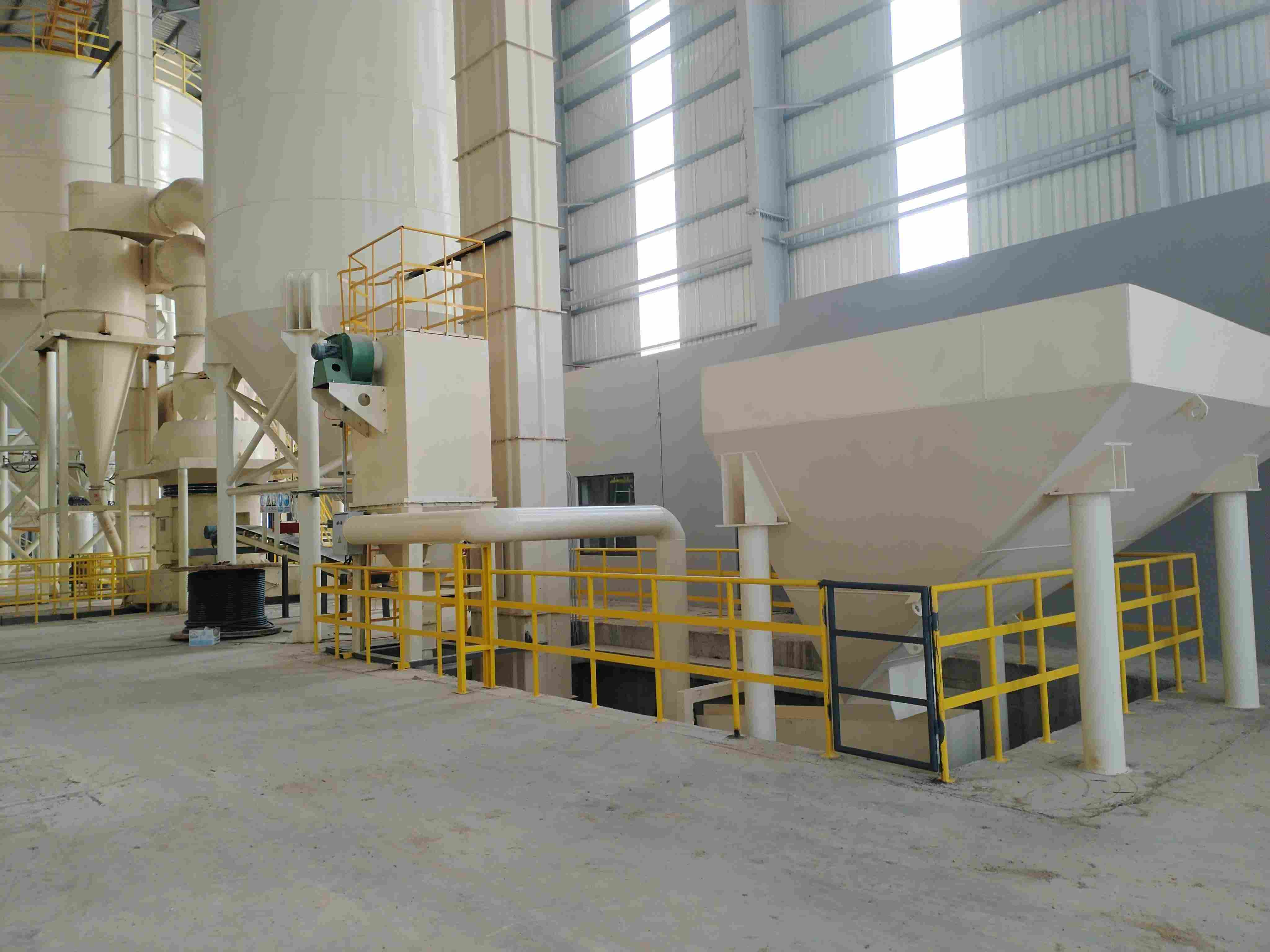
The crushed gypsum, now in granular form, is conveyed to the grinding mill. Here, it is pulverized into a fine powder. Modern lines typically employ vertical roller mills or Raymond mills, which offer high grinding efficiency and precise particle size control. The fineness of the ground powder is critically adjusted through the integrated action of an internal classifier (or analyzer) and an induced draft fan. The classifier separates particles based on size, allowing oversize material to be returned for further grinding while the correctly sized powder is conveyed onward. This closed-circuit system enables operators to reliably produce powder with a specific Blaine surface area or particle size distribution (PSD), catering to the distinct requirements of different end products, from fast-setting plasters to high-strength board stucco.
Calcination System: The Heart of the Process
The calcination system is the most critical and technologically demanding section of the entire gypsum powder production line. It is here that the ground dihydrate powder is heated to precisely controlled temperatures (typically between 150°C and 180°C), driving off 1.5 molecules of water to form the reactive hemihydrate. The consistency, completeness, and uniformity of this reaction directly determine the setting time, strength, and stability of the final gypsum products.
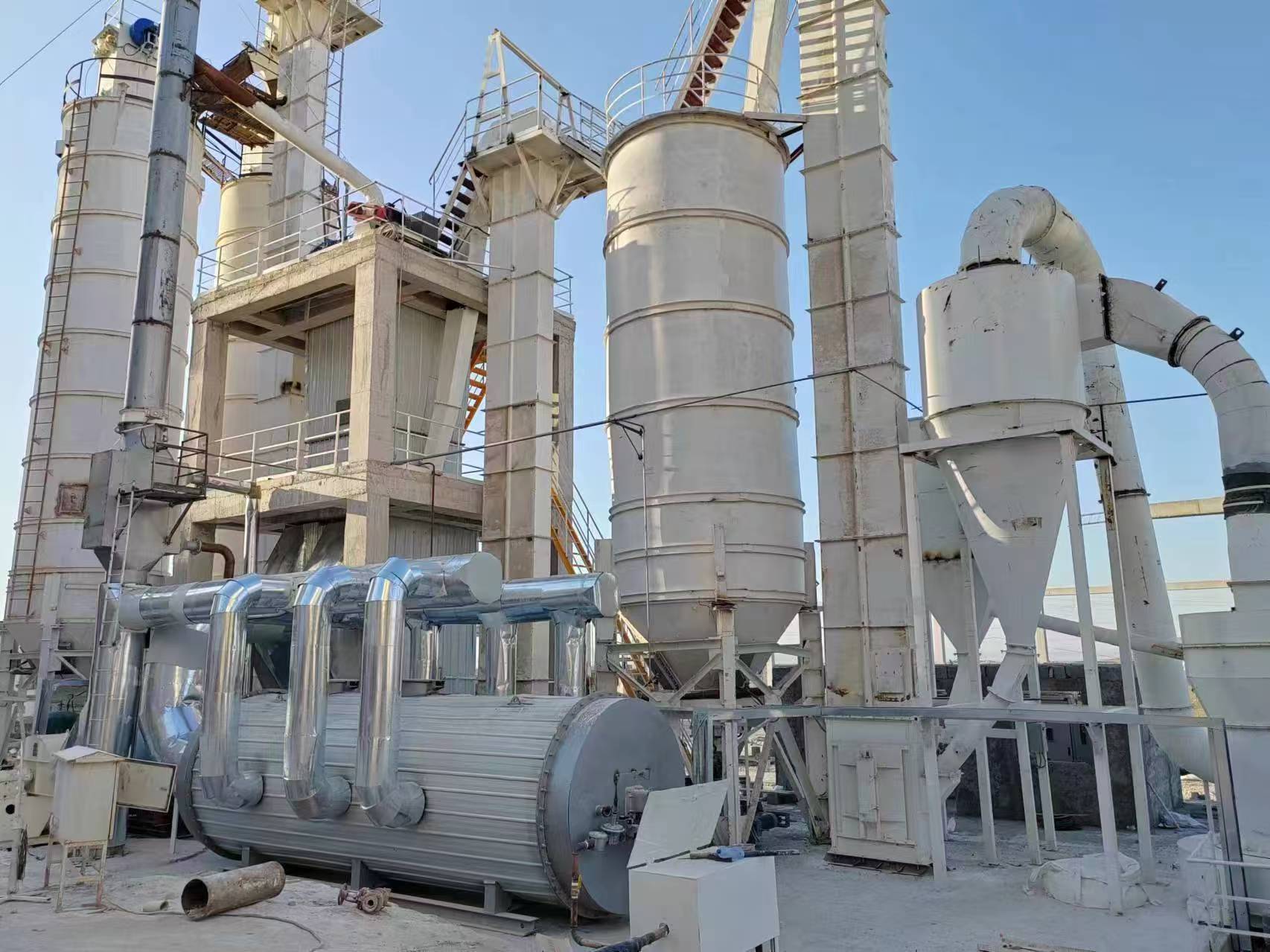
Our production line incorporates a next-generation hot-air boiling furnace, representing a significant leap in calcination technology. This furnace utilizes a fluidized bed principle, where hot gases fluidize the fine gypsum powder, ensuring ultra-uniform heat transfer and intimate contact between particles and hot air. The benefits for our clients are substantial:
Reduced Capital Investment: The compact and efficient design lowers initial infrastructure and equipment costs.
Lower Maintenance & Operational Costs: Simplified mechanical design with fewer moving parts enhances reliability and reduces downtime.
Adjustable Product Quality: Precise temperature and residence time control allow for the production of different grades of stucco (e.g., alpha and beta hemihydrate) with specific properties.
Compact Footprint & Short Installation: The integrated design requires less floor space and a shorter commissioning period.
Energy Efficiency: Excellent thermal efficiency minimizes energy consumption per ton of product, a key factor in operational economy.
Storage and Packaging System
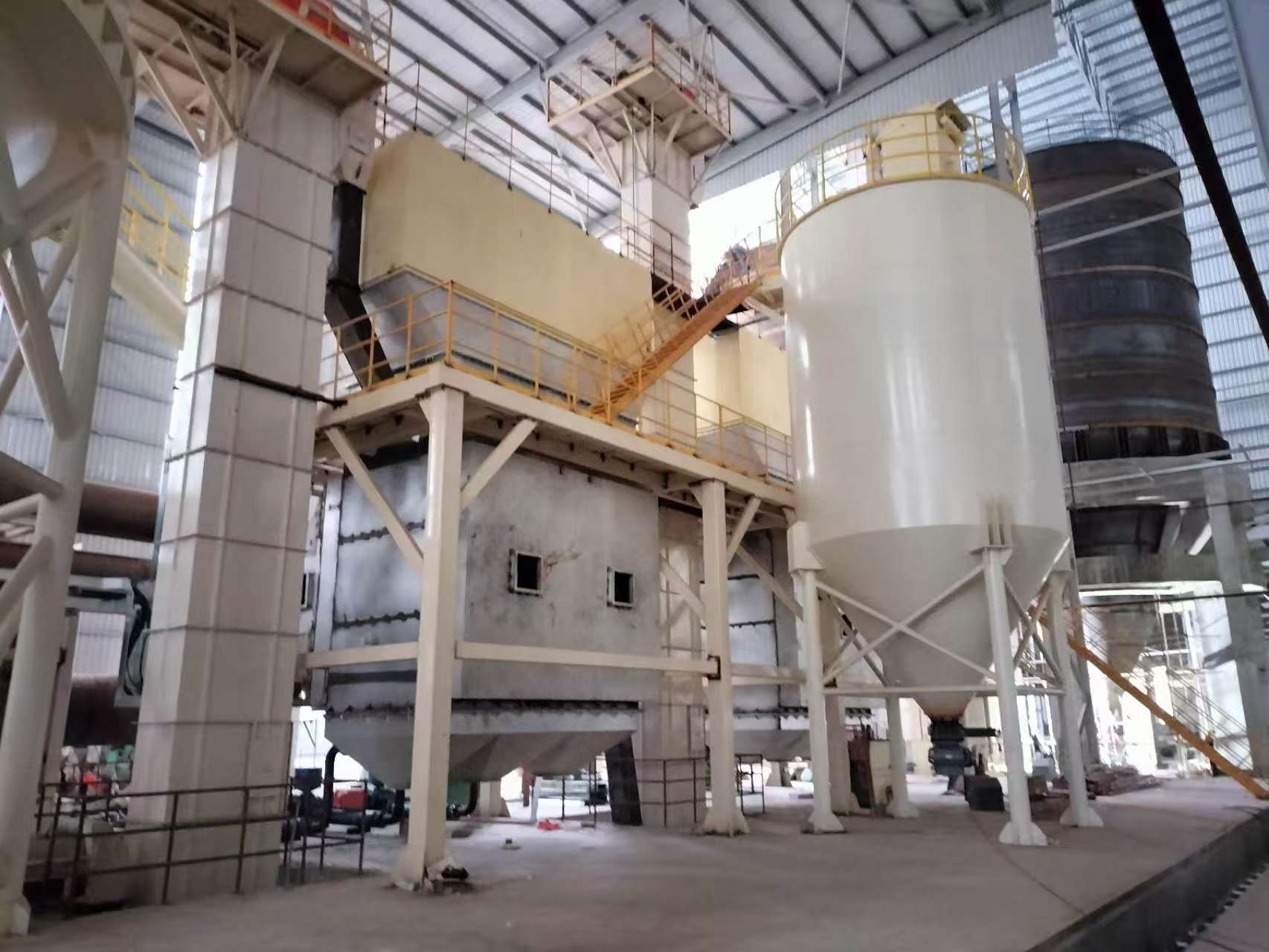
Following calcination, the hot, active gypsum powder (stucco) must be cooled and stabilized before storage. The line includes cooling equipment to bring the powder to a safe handling temperature. The finished product is then elevated by bucket elevators and fed via rotary airlock valves or screw conveyors into large, sealed silos for bulk storage. For dispatch, the powder is accurately metered by precision feeders to automatic valve bag packers or big bag stations. This system ensures dust-free, efficient packaging with high weighing accuracy, ready for palletizing and shipment.
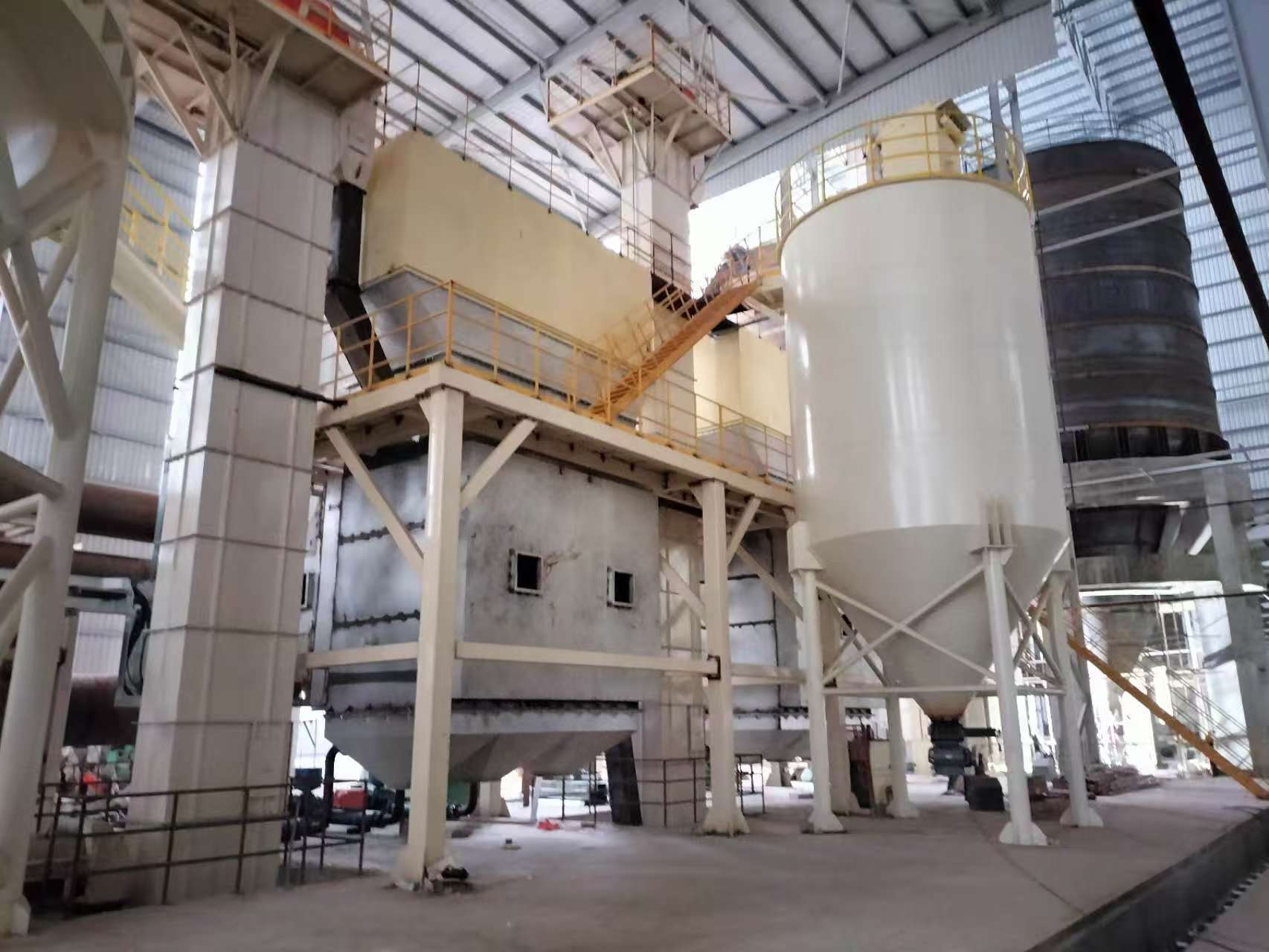
A well-engineered gypsum powder production line is more than a collection of machines; it is a synchronized process where each stage—from crushing and grinding to the precision calcination in the advanced boiling furnace and finally to storage—is optimized for performance, quality, and cost-effectiveness. By integrating robust engineering with intelligent process control, such a line delivers the consistent, high-quality stucco that is essential for the modern gypsum products industry, empowering manufacturers to meet market demands reliably and profitably.
 RELATED
 RELATED
Copyright By © Shandong Shine Machinery Co.,Ltd
 ไทย
ไทย Indonesia
 Melayu
 Tiếng Việt
 Pусский
 Portugues
 Français
 Deutsch
 日本語
日本語 한국어
한국어 العربية
 Italiano
 Polski
 Nederlands
 Türk dili
 हिन्दी
 Ελληνικά
 Svenska
 Español