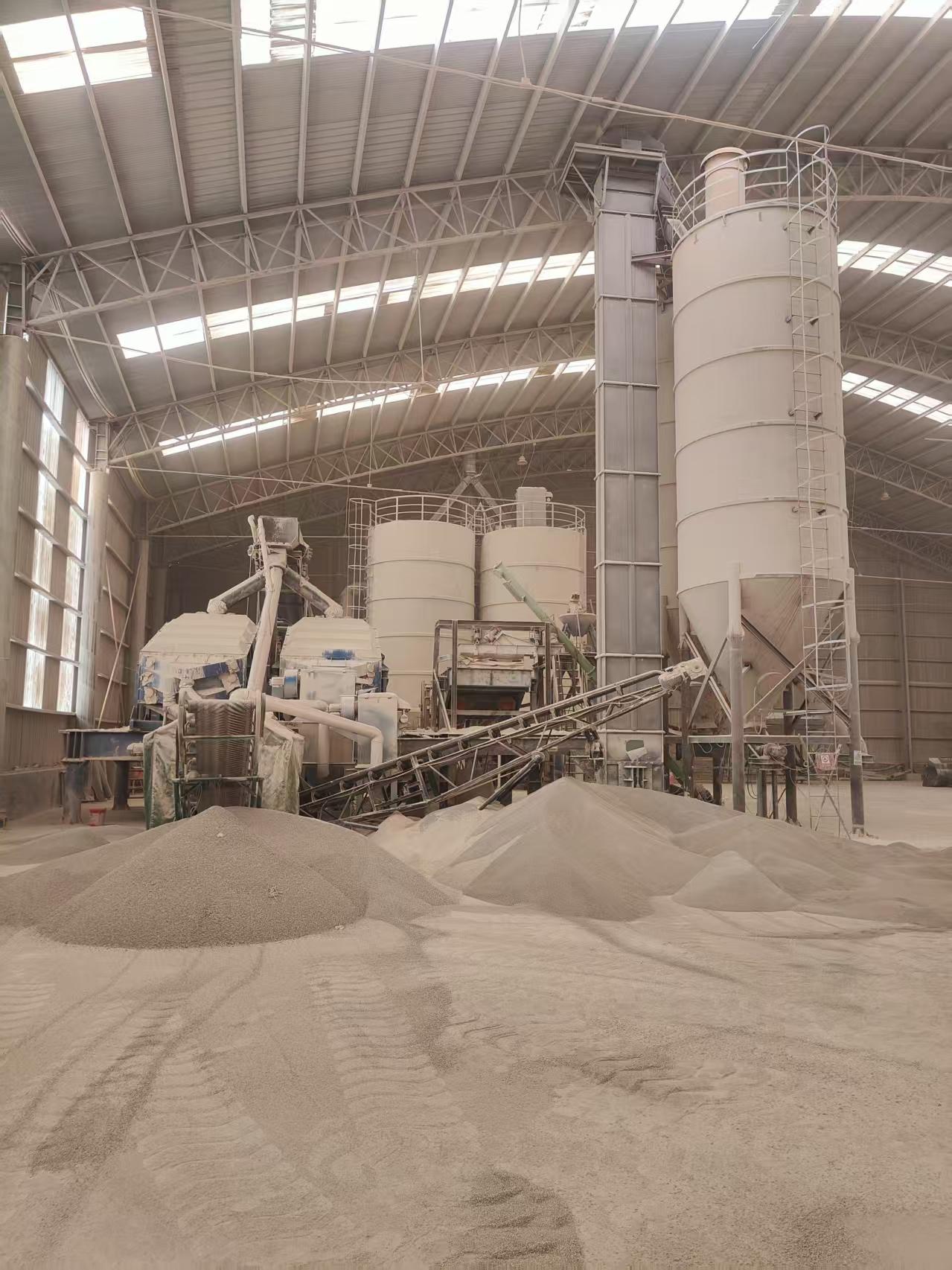
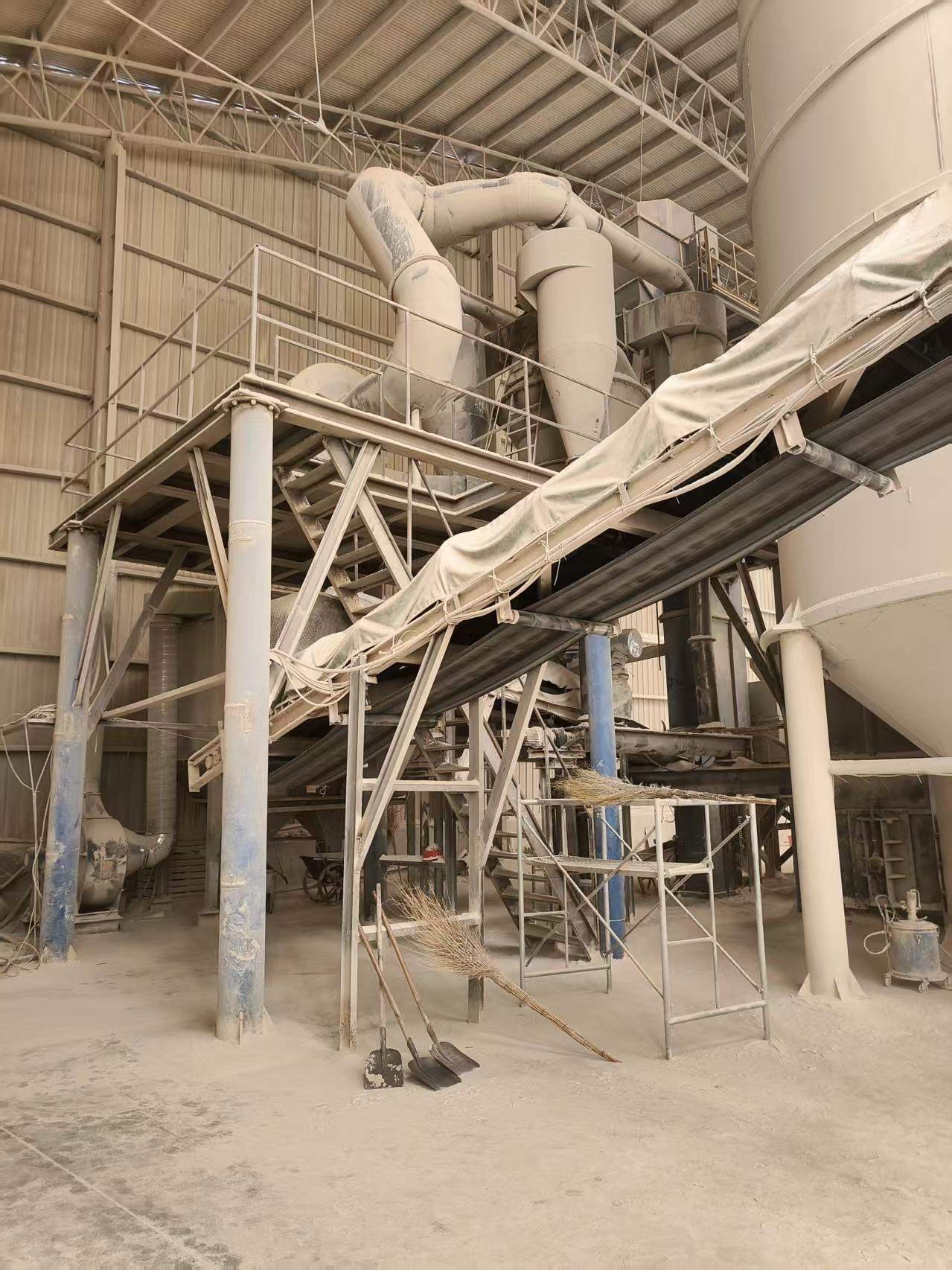
In the modern construction materials industry, the demand for high-performance, ready-to-use mortars has driven the widespread adoption of dry-mix mortar production lines. These automated systems transform raw materials such as sand, cement, fly ash, and additives into precisely formulated mortars for masonry, plastering, and flooring applications. Designed for scalability and adaptability, dry-mix mortar lines serve as the backbone of efficient construction material manufacturing.
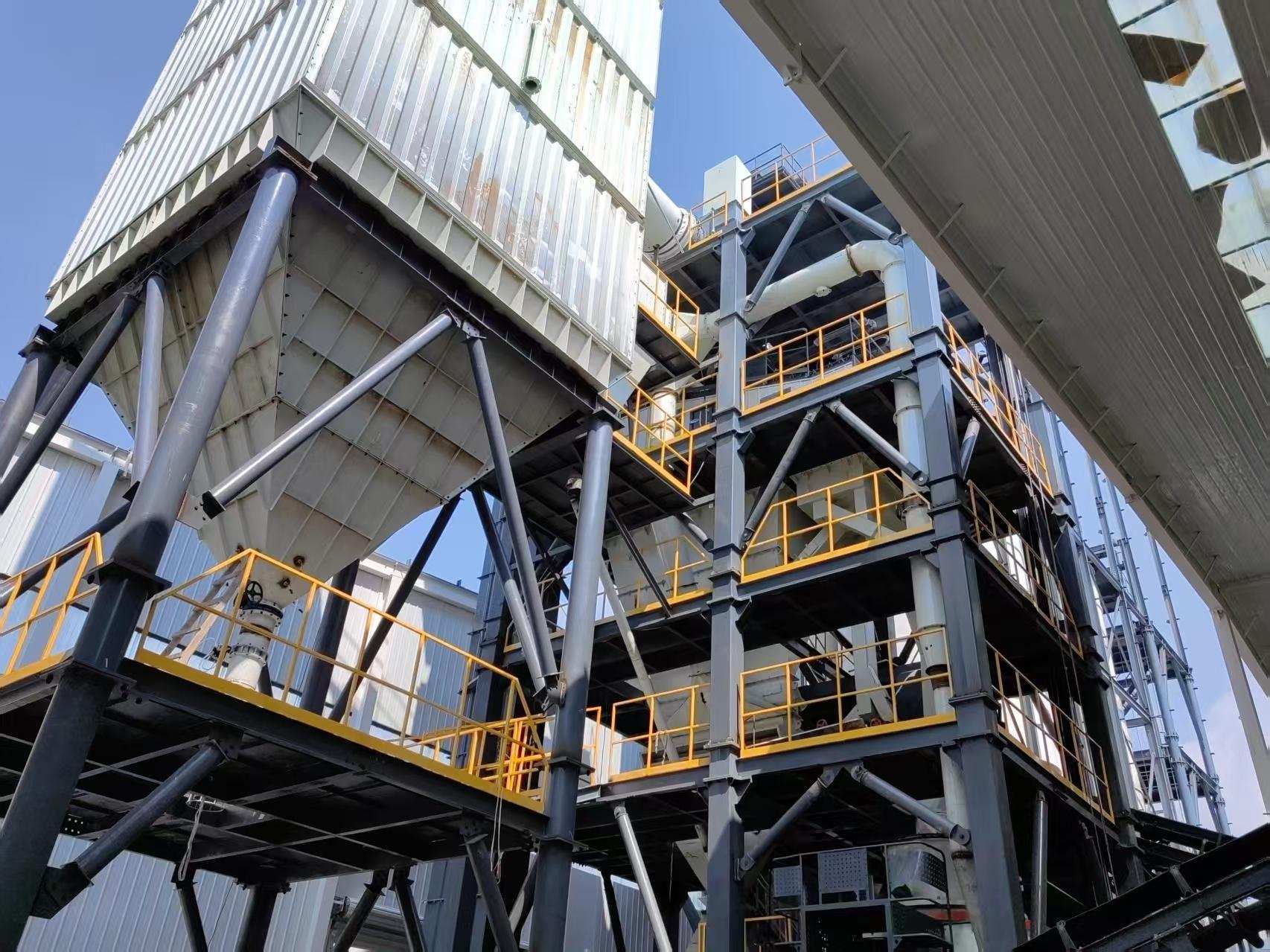
A typical dry-mix mortar production line integrates multiple specialized machines and structures to ensure seamless operation from raw material intake to finished product delivery. The primary components include:
Sand Dryer: Removes excess moisture from natural or crushed sand to achieve optimal workability and bonding performance in the final mortar mix. Efficient drying minimizes clumping and ensures consistent quality.
Screening Machine: Classifies dried sand into specific particle sizes, eliminating oversized particles and impurities that could compromise mortar strength or application properties.
Raw Material Silos: Dedicated storage units for sand, cement, fly ash, and chemical admixtures protect materials from contamination and enable precise batching.
Batching System: Includes weigh feeders and silo-mounted scales to measure each component with high accuracy, maintaining the correct formulation ratios critical to product performance.
Conveying Equipment: Bucket elevators, screw conveyors, and pneumatic systems transport materials between process stages, reducing manual handling and increasing throughput.
Mixing Unit: High-shear mixers or twin-shaft paddle mixers blend all ingredients uniformly, ensuring homogeneous distribution of binders and additives.
Finished Product Silos: Store the prepared mortar in controlled conditions to prevent moisture absorption prior to packaging or bulk loading.
Packaging and Bulk Discharge Systems: Provide flexible output options, from valve bag filling for retail distribution to bulk tanker loading for large-scale construction sites.
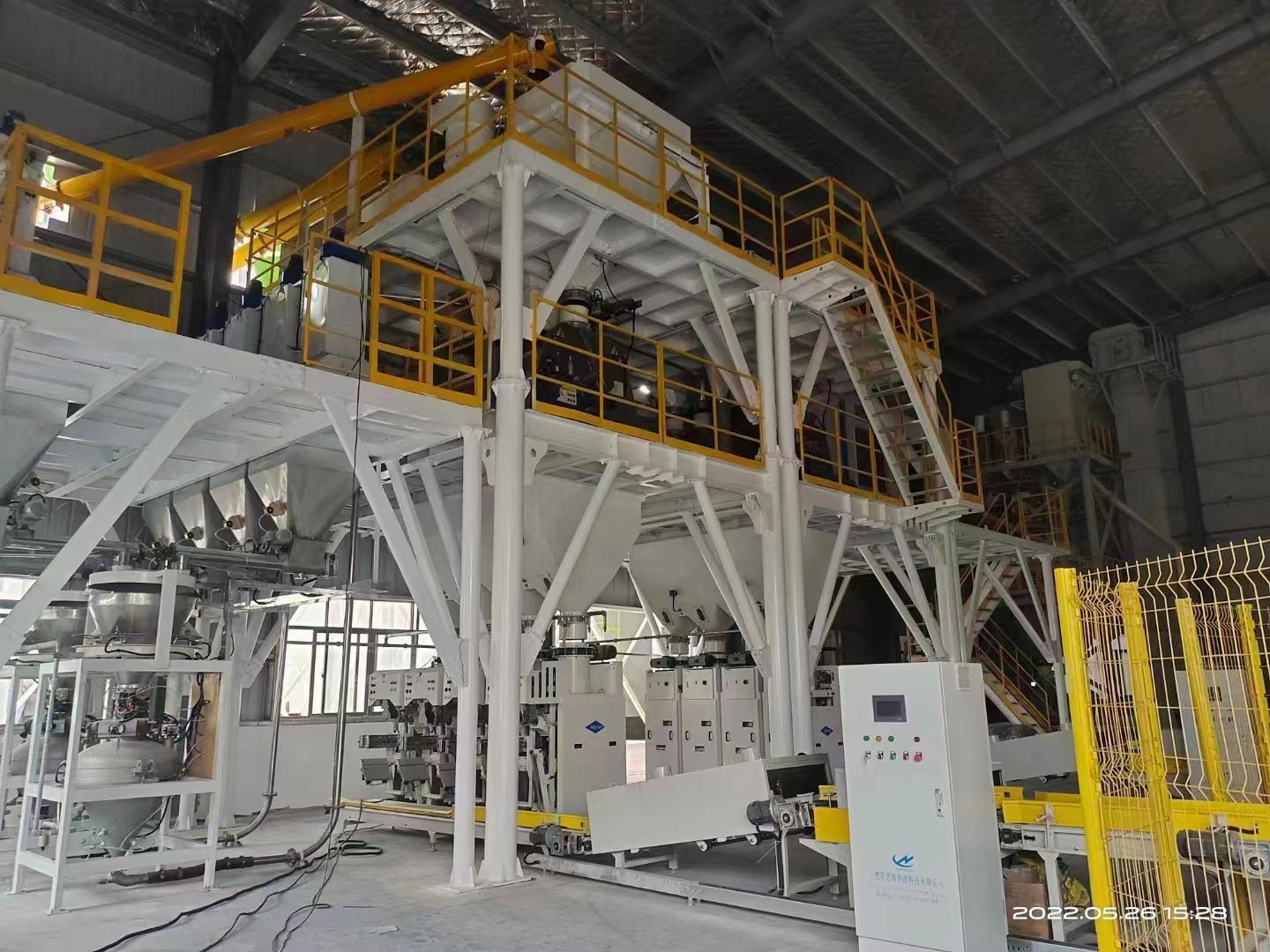
Dry-mix mortar production lines are classified by capacity, measured in annual output of finished mortar in tens of thousands of tons. Small-scale lines may produce 10,000–50,000 tons per year, suitable for regional markets, while large industrial plants can exceed 300,000 tons annually, serving national and export markets.
Layout design is another key consideration. Two principal configurations dominate the industry:
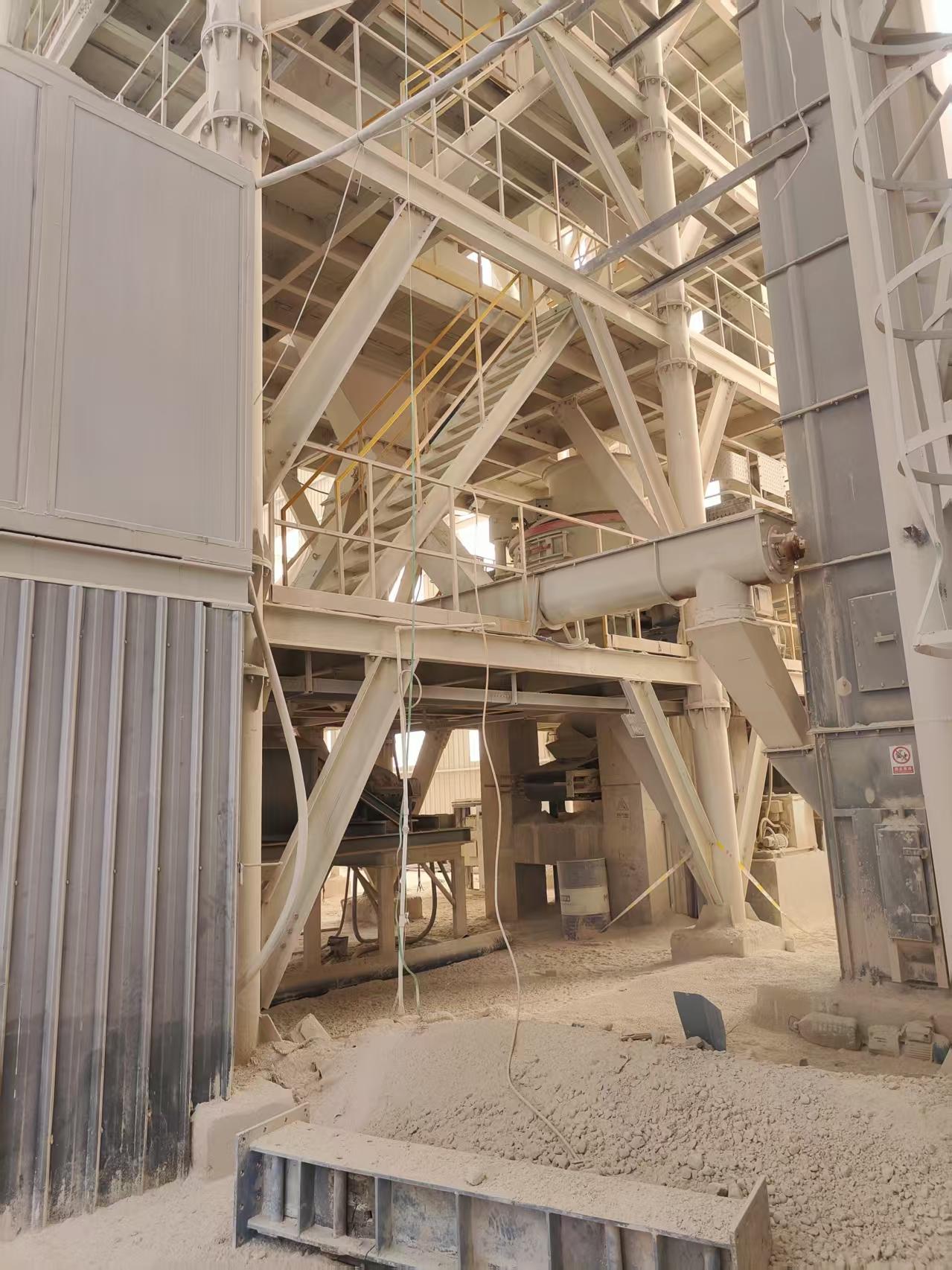
Tower Layout: Arranges all major equipment vertically, enabling gravity-assisted material flow from raw material intake at the top to packaged product discharge at the bottom. This compact arrangement reduces floor space requirements and minimizes conveying distances. However, the structural complexity and reinforced framework increase capital investment. Tower layouts are favored where land availability is limited and maximum automation is desired.
Two-Stage Layout: Separates the drying and mixing sections horizontally, incorporating secondary lifting stages to transfer materials between floors. Storage silos are predominantly ground-level, simplifying maintenance access and lowering construction costs. Though slightly larger in footprint, two-stage layouts offer cost-effective solutions and are widely adopted due to their operational simplicity and lower equipment expenditure.
Recognizing the growing emphasis on sustainable manufacturing, Shine’s dry-mix mortar production lines incorporate advanced environmental protection technologies. The entire process operates within a sealed structure, preventing fugitive dust emissions during material transfer and blending. Integrated pulse-jet dust collectors capture airborne particulates at source, ensuring compliance with stringent air quality regulations and creating a cleaner working environment.
Moreover, Shine equips its lines with bulk conveying systems that facilitate direct loading into tankers or containers. This eliminates single-use packaging waste, lowers logistics costs, and aligns with circular economy principles. The combination of sealed operations and bulk handling positions Shine’s customers at the forefront of eco-conscious construction material production.
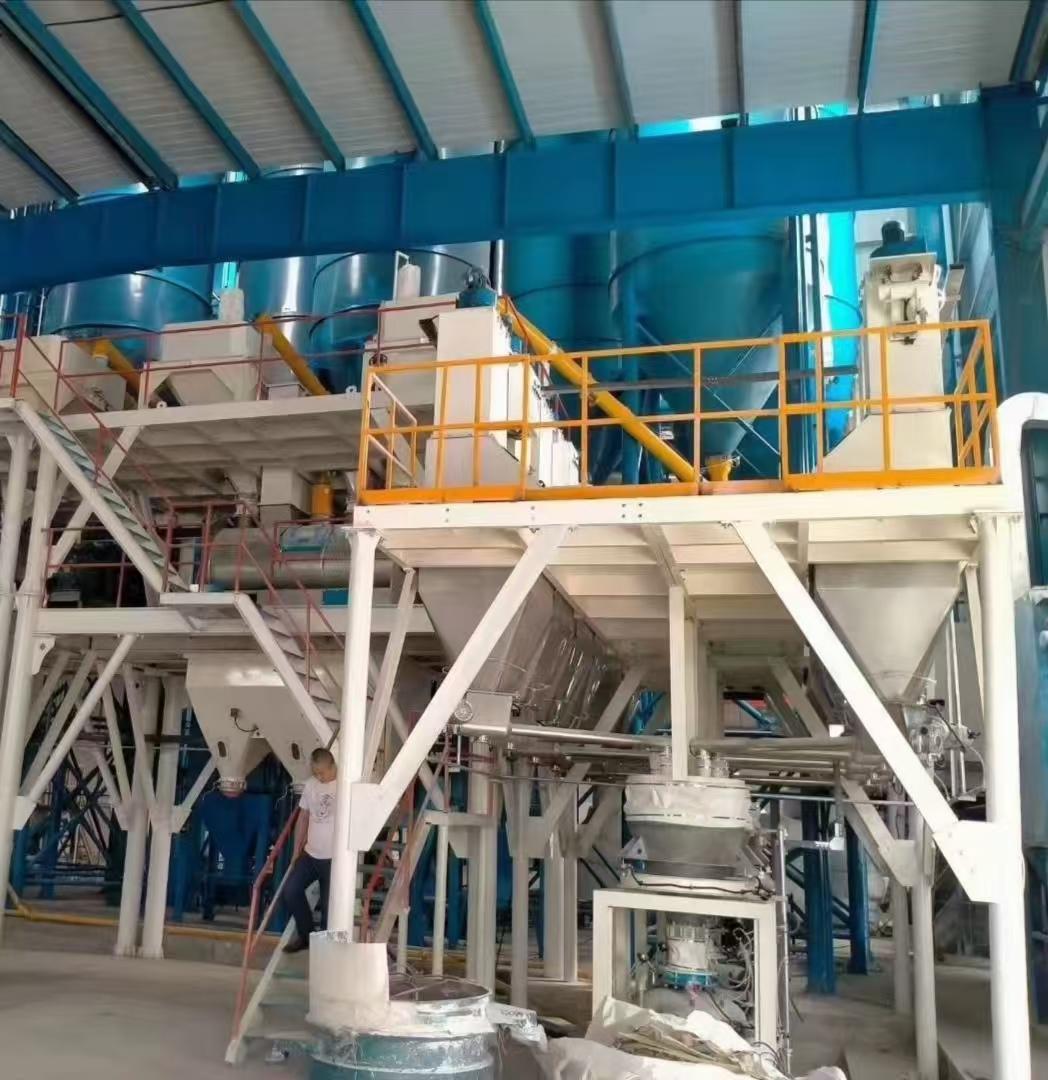
Construction projects increasingly require specialized mortars tailored to specific applications—whether weather-resistant masonry mortar for exterior walls, lightweight plaster for interior finishes, or high-strength screed for industrial floors. Shine’s production lines are engineered to handle diverse formulations, with recipe management systems allowing quick changeovers between product types. This flexibility supports just-in-time manufacturing, reducing inventory costs and responding rapidly to market trends.
Automation is central to Shine’s design philosophy. From automated raw material dosing to real-time moisture monitoring and digital process controls, every stage is optimized for consistency and repeatability. Operators benefit from intuitive interfaces and remote diagnostics, minimizing downtime and maximizing productivity.
Dry-mix mortar production lines represent a convergence of mechanical engineering, process optimization, and environmental stewardship. Whether configured as a space-saving tower or a cost-efficient two-stage plant, these systems deliver the reliability and scalability demanded by modern construction industries. With Shine’s commitment to sealed structures, dust control, and bulk handling, manufacturers gain not only advanced production capabilities but also a competitive edge in sustainability. Investing in a Shine dry-mix mortar line means choosing a future-proof solution that meets global quality standards while addressing the urgent need for greener building material manufacturing.
 RELATED
Copyright By © Shandong Shine Machinery Co.,Ltd
 ไทย
ไทย Indonesia
 Melayu
 Tiếng Việt
 Pусский
 Portugues
 Français
 Deutsch
 日本語
日本語 한국어
한국어 العربية
 Italiano
 Polski
 Nederlands
 Türk dili
 हिन्दी
 Ελληνικά
 Svenska
 Español