When a plywood mill moves from buying one machine to planning a full veneer production line upgrade, the lowest single quotation can become a hidden cost. A veneer dryer is more than just a heating chamber; it dictates moisture consistency, veneer flatness, subsequent gluing performance, labor allocation, fuel consumption, and the overall rhythm of the entire workshop. For buyers comparing a China veneer dryer manufacturer, supplier, or a top factory, the more relevant question isn't "Which machine is cheapest?" but rather "Which solution ensures the line remains balanced after installation?"
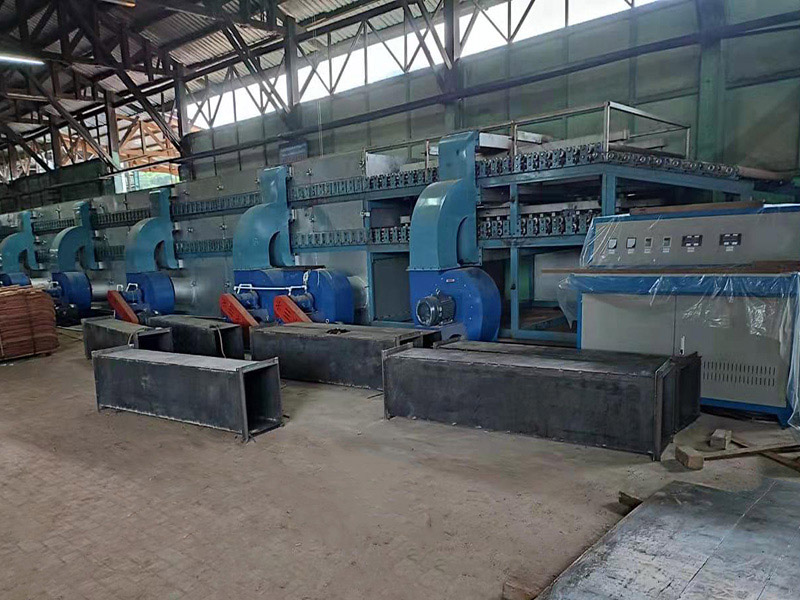
A standalone wood drying machine may look attractive when the buyer focuses solely on the purchase price. In actual production, however, drying must precisely match peeling output, veneer thickness, initial moisture, feeding speed, cooling requirements, and downstream stacking. If one link is undersized or poorly matched, the factory could face waiting times before drying, uneven moisture after drying, or extra handling after unloading.
Shine Machinery offers veneer drying solutions, from individual drying plants with manual loading to complete veneer lines featuring automatic loading and stacking systems. This is crucial because line planning connects the dryer with how veneers enter, pass through, cool, and ultimately leave the process. A mill upgrading from manual handling to a more coordinated line should evaluate the full path of material movement, not just the dryer itself.
Complete line planning transforms the purchasing conversation. Instead of merely asking for a veneer core dryer, buyers begin by detailing their daily output, veneer species, thickness range, available workshop space, heating preference, labor conditions, and target moisture. Shine Machinery’s product information shows that our roller veneer dryers can be configured by working width, deck number, heating area length, cooling area length, transport speed, and heat source.
Consider this: Shine roller veneer dryer models in our product range include 2-deck and 4-deck configurations, working widths such as 3.0 m and 4.5 m, veneer thickness ranges commonly listed from 0.6 mm or 0.8 mm up to 8 mm, and adjustable drying temperatures like 140–200°C, depending on the specific model. These details are not isolated specifications; they critically shape whether the veneer production line can operate smoothly under daily production demands.
The following examples demonstrate how model selection should align with capacity and line layout, rather than being driven by the headline machine price alone.
| Model example | Working width | Decks | Heating area | Cooling area | Listed drying capacity |
|---|---|---|---|---|---|
| GTH30-32 biomass veneer drying machine | 3 m | 2 | 28 m | 4 m | 40–45 cbm/day |
| GTH30-36 roller veneer dryer | 3.0 m | 4 | 32 m | 4 m | 110 cbm/day |
| GTH30-38 plywood roller veneer dryer | 3.0 m | 4 | 34 m | 4 m | 120–130 m³/day |
| GTH30-40 wood veneer dryer machine | 3 m | 2 | 36 m | 4 m | 55–65 cbm/day |
A mill drying smaller volumes may not require the largest machine. A factory preparing for automation might prefer a configuration that better suits automatic feeding and collection. A buyer handling mixed veneer moisture levels should closely examine temperature control, speed regulation, and the actual flow of veneers through the dryer. Here, the value of extensive production line experience truly surpasses a mere low unit quote.
Shine Machinery product pages often highlight biomass burners that use waste wood, bark, sawdust, straw, corn cobs, crop straw, or other biomass materials, depending on the specific product description. Several models list waste wood as the primary heating material, featuring automatic temperature and speed control for consistent moisture content. Some pages also detail composite drying cost ranges, such as $6–12 USD per cubic meter for selected biomass dryer configurations, which includes labor, fuel, and electricity.
Energy efficiency also hinges on how heat is transferred and circulated. Shine’s heat exchanger information describes step-by-step heat transfer and uniform hot air emission to the veneer. Our product descriptions connect this design with consistent moisture, flat panels, reduced buckling, fewer end waves, fewer splits, and an improved surface condition before gluing. In practical purchasing terms, a buyer should scrutinize not only the fuel type but also air distribution, heat exchange, transport speed control, and whether the dryer supports stable operation across diverse veneer conditions.
In veneer drying, moisture variation is costly. Veneers that are too wet can lead to bonding problems later; those that are too dry might become brittle or necessitate rework. Industry research on veneer drying and plywood bonding consistently emphasizes the relationship between drying temperature, moisture control, energy usage, and bonding performance. For procurement teams, this means drying quality must be assessed thoroughly before comparing final quotations.
Our roller veneer dryer descriptions repeatedly focus on drying fresh veneer to around 8–10% or about 10% moisture, depending on the model, while ensuring veneers remain flat, smooth, and suitable for gluing. Our product pages also detail integrated automatic temperature control, frequency control, and speed regulation systems. These are crucial practical factors when choosing a wood dryer for plywood production, because stable moisture is directly linked to production yield, glue consumption, pressing stability, and finished panel consistency.
Before committing to a veneer dryer or full line upgrade, buyers should prepare a clear technical brief. This brief should encompass current peeling output, veneer thickness range, initial moisture, target moisture, available workshop dimensions, heating preference, labor plan, daily capacity target, and whether automatic feeding or collection will be utilized. It should also include the downstream process requirements for gluing and hot pressing.
Shine Machinery’s service descriptions include pre-sale consultation, comprehensive plan and design support tailored to customer requirements, thorough machine inspection before dispatch, overseas installation and debugging, operator training, 24-hour online service, installation videos, technical exchange, and even possible door-to-door service. These services are particularly relevant when a factory is evolving beyond a single wood drying machine and planning a more interconnected production line.
The most robust purchasing decision often looks beyond the initial installation. A veneer dryer should be selected for the production level the mill aims to achieve, not merely for the problem it faces today. If the plant plans to incorporate automatic feeding, automatic collection, higher daily output, or a more standardized veneer core dryer process, then dryer length, deck number, working width, heat source, control system, and service support all need to be considered holistically.
For international buyers evaluating Shine Machinery through , our product range offers a valuable starting point for comparing roller veneer dryer models, biomass-heated configurations, veneer production line options, and related support services. The most effective inquiry is specific: detailing veneer species, thickness, moisture, capacity target, fuel conditions, and workshop layout. With these details, a veneer dryer quotation transforms into a comprehensive line upgrade plan rather than just a machine price.
Not always. A single veneer dryer can be perfectly suitable for a focused capacity requirement, while a complete line becomes more crucial when the mill needs optimized material flow, automatic feeding, stacking, and long-term expansion capabilities.
Providing useful details such as veneer thickness, wood species, fresh veneer moisture, target moisture, required daily output, workshop space, preferred heat source, and whether automatic feeding or collection is needed will ensure a more accurate and tailored quotation.
Absolutely. Several Shine Machinery dryer pages describe our biomass burners that can efficiently use waste wood or related biomass materials as fuel. Specific fuel suitability should always be discussed according to the selected model and site conditions to maximize efficiency.
Our different product pages indicate that our veneer dryers are designed to dry fresh veneer to approximately 8–10% or about 10% moisture content, depending on the specific model and configuration, ensuring optimal quality for subsequent processes.
Automatic feeding plays a vital role in stabilizing the flow of veneers into the dryer and significantly reducing manual handling requirements. It is particularly beneficial when a factory aims for a more consistent and efficient production rhythm, minimizing bottlenecks and human error.
To make an informed decision, buyers should compare working width, number of decks, heating and cooling length, drying capacity, actual electricity consumption, heat source, temperature control, speed regulation, installation support, and compatibility with future line automation. This comprehensive comparison ensures the best long-term investment.
Copyright By © Shandong Shine Machinery Co.,Ltd
 ไทย
ไทย Indonesia
 Melayu
 Tiếng Việt
 Pусский
 Portugues
 Français
 Deutsch
 日本語
日本語 한국어
한국어 العربية
 Italiano
 Polski
 Nederlands
 Türk dili
 हिन्दी
 Ελληνικά
 Svenska
 Español


