In the realm of wood processing, the drying stage is not merely a step; it is the cornerstone of quality and structural integrity. Whether producing plywood, engineered flooring substrates, container flooring, or reconstituted wood (often referred to as technology wood), the moisture content and flatness of the veneer dictate the success of the final product. Historically, the industry has relied on two primary methods: mechanical drying via mesh belt dryers or roller dryers, and the age-old practice of air-drying. However, both approaches present significant drawbacks. Mechanical dryers consume excessive electrical and thermal energy, often resulting in costly veneer cracking and breakage. Conversely, manual air-drying demands vast expanses of land and intensive labor, offering no guarantee of consistent moisture content.
The fundamental challenge of wood drying lies in the physics of water movement. Under normal circumstances, the moisture content inside the wood is higher than the exterior. When heat is applied, the external temperature rises above the internal temperature. This creates a conflict: the moisture gradient pushes water outward, while the temperature gradient pulls it inward. This tug-of-war creates a slow-moving zone within the wood, acting as a bottleneck that resists drying. Traditional methods have attempted to solve this by simply increasing the temperature, which often leads to surface checking and internal stress.
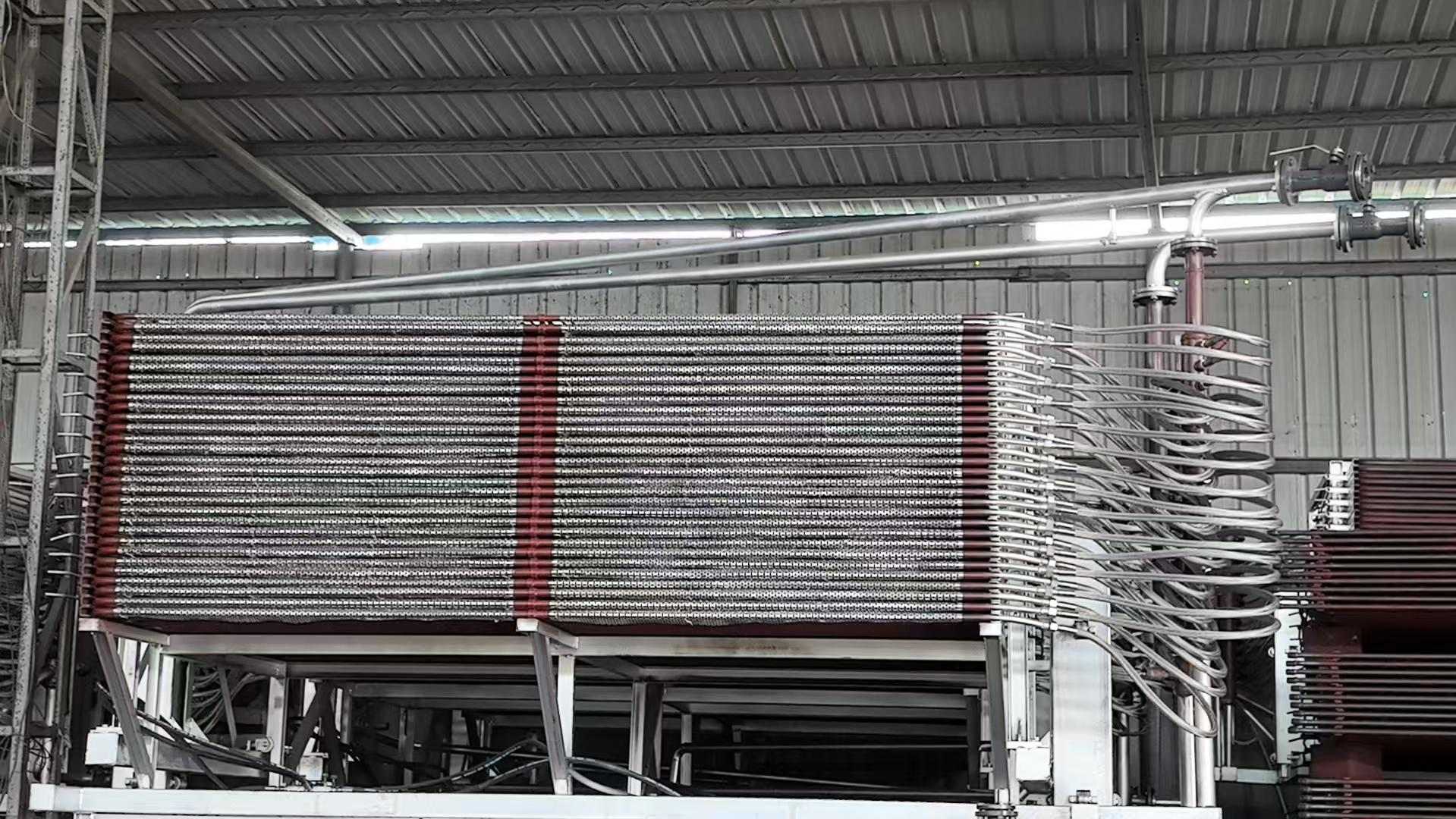
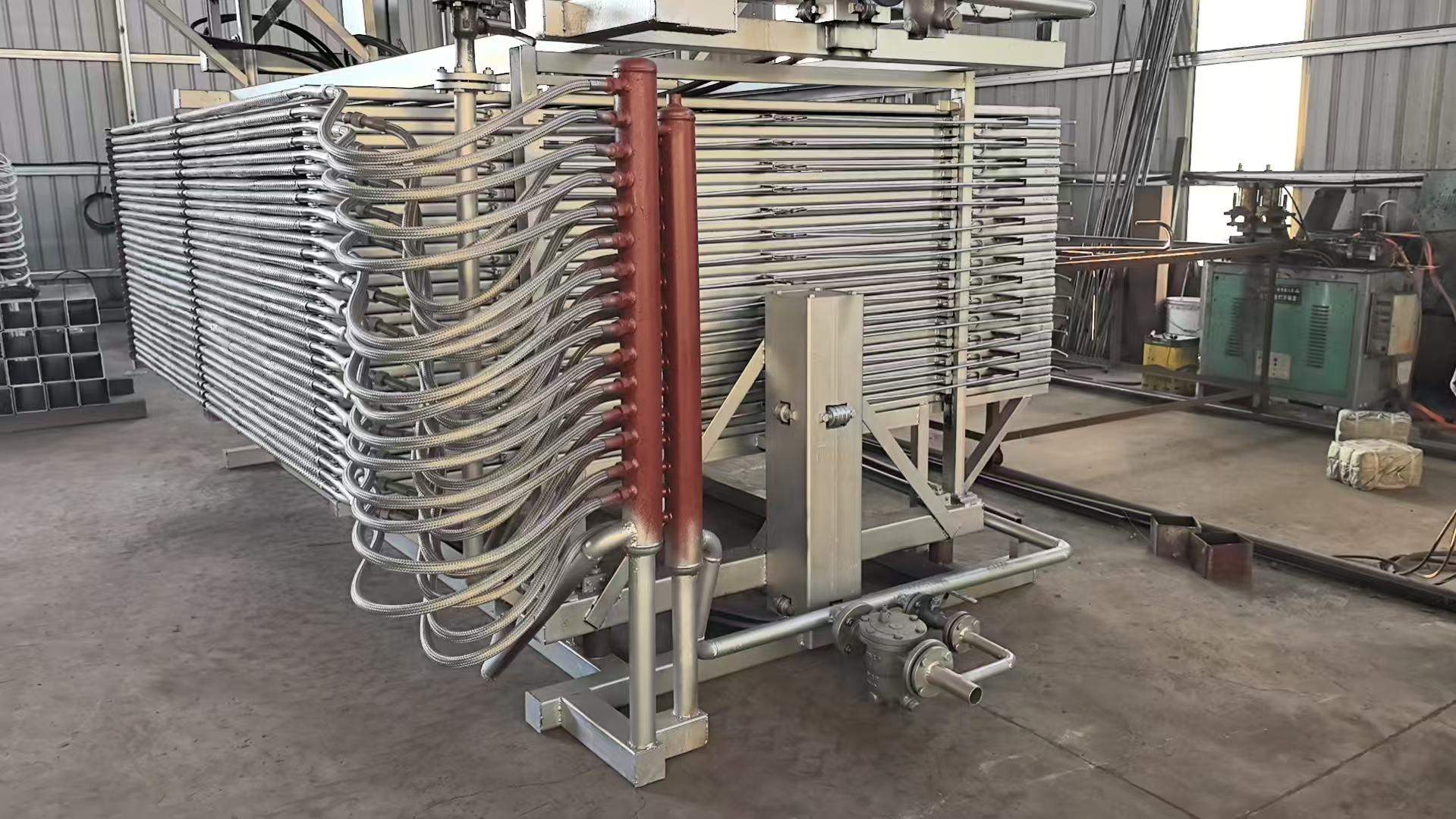
Enter the press veneer dryer, a revolutionary solution designed to overcome these physical barriers and redefine efficiency. This machine does not rely on indirect convection heating. Instead, it utilizes specially processed hot platens that apply direct contact conduction heating to the veneer surface. This method ensures maximum heat transfer efficiency. By maintaining high platen temperatures and intimate contact with the wood, the machine generates massive heat flow. This instantly shatters the internal "slow-moving zone," rapidly elevating the core temperature of the veneer. Consequently, the steam pressure within the wood cells spikes, forcefully propelling internal moisture toward the surface.
To facilitate this rapid expulsion of water, the multiple layer veneer dryer incorporates a unique platen design featuring high-density vapor channels. These grooves act as expressways for steam, allowing large volumes of moisture to escape quickly from between the boards. This technology is particularly effective for hard-to-dry hardwood species, which typically suffer from prolonged drying cycles and degrade easily under conventional methods.
Beyond speed, the mechanical pressure applied during the process offers a secondary benefit: densification and flattening. As the veneer is compressed, its density increases, and its dimensional stability is significantly enhanced. Warped or uneven veneers are pressed perfectly flat, adding immense value to the final product. However, the engineering of such a machine requires precision. Excessive pressure can lead to volume loss, surface hardening, and cracking.
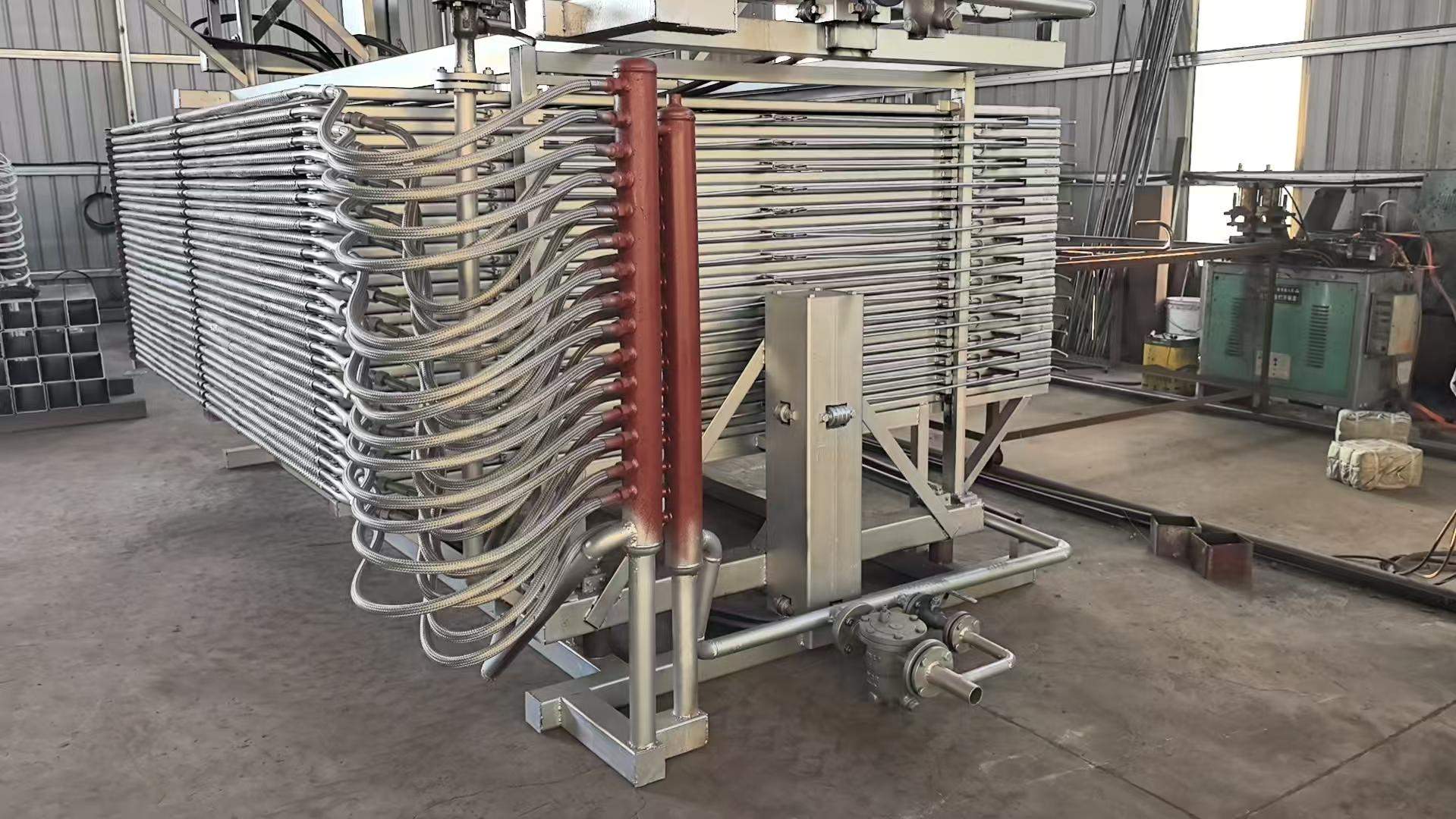
This is where the advanced engineering of our multiple layer veneer dryer stands out. We have integrated a sophisticated synchronous closing system within the structure of the multi-layer press. Unlike conventional presses where pressure distribution can be uneven, our system ensures that every layer closes at the exact same interval. This guarantees uniform pressure application across every single sheet of veneer, from the top layer to the bottom. Furthermore, the hydraulic control system allows operators to fine-tune the pressure settings with precision, ensuring optimal results without damaging the timber.
In conclusion, the transition to a press veneer dryer represents a paradigm shift in wood processing. It addresses the core physical limitations of traditional drying by combining high-efficiency conduction heating with intelligent pressure management. For manufacturers of plywood, container floors, and engineered wood products, this technology offers a path to superior quality, reduced energy consumption, and unprecedented production speed. It transforms drying from a bottleneck into a competitive advantage, ensuring that your veneers are not only dry but perfectly flat, stable, and ready for the highest quality applications. If you seek to elevate your production standards and minimize waste, the multiple layer veneer dryer is the definitive solution.
 RELATED
Copyright By © Shandong Shine Machinery Co.,Ltd
 ไทย
ไทย Indonesia
 Melayu
 Tiếng Việt
 Pусский
 Portugues
 Français
 Deutsch
 日本語
日本語 한국어
한국어 العربية
 Italiano
 Polski
 Nederlands
 Türk dili
 हिन्दी
 Ελληνικά
 Svenska
 Español