In the high-speed, automated world of modern construction materials manufacturing, the gypsum board production line represents a pinnacle of industrial efficiency. From raw material batching to cutting and drying, each component plays a role. However, industry experts and leading manufacturers are drawing attention to a single, often under-scrutinized piece of equipment that acts as the literal and figurative heart of the entire operation: the mixer. Its performance is the critical juncture where formula becomes product, and where operational stability directly translates to profit or loss.
The analogy of the mixer as the "heart" of the production line is precise. Just as the heart distributes oxygen-rich blood to sustain the body, the mixer is responsible for the homogeneous distribution of plaster powder, water, foaming agents, starch, accelerators, and other additives, creating the lifeblood of the board—the slurry. The quality of this slurry determines the vitality of the final product. A high-performance mixer ensures a consistent, stable, and perfectly proportioned "circulatory system" for the line, while a failing one leads to systemic failure.
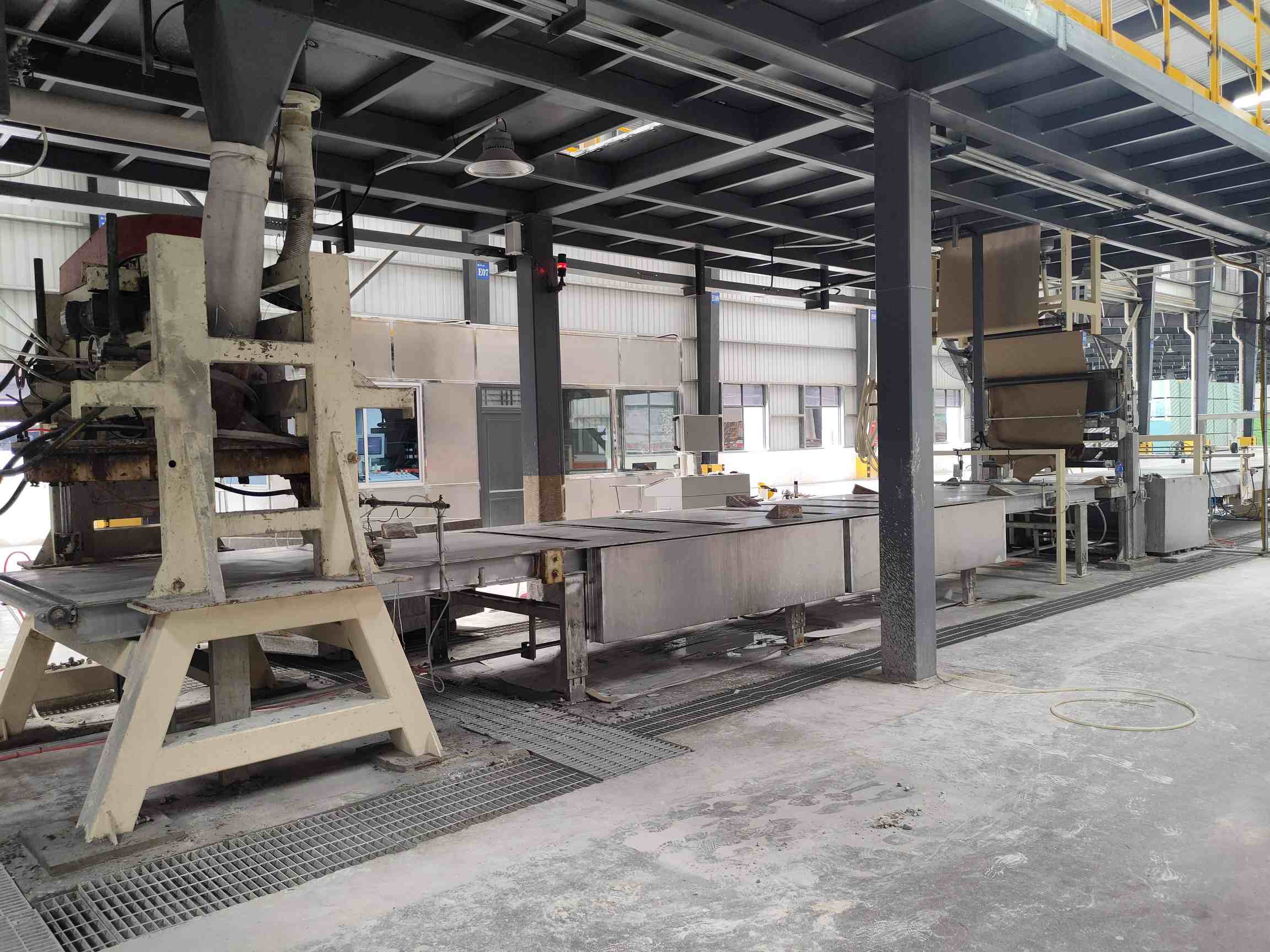
The mixer's influence is not indirect; it is immediate and fundamental to the gypsum board's essential characteristics. First and foremost is core structure uniformity. An uneven mix results in localized variations in density, which manifest as soft spots, inconsistencies in nail pull resistance, and compromised overall strength. The slurry's fluidity, directly controlled by the mixer's efficiency, dictates how evenly it spreads between the facing papers. Inadequate mixing leads to surface imperfections, poor edge formation, and suboptimal bond between the core and paper, affecting the board's surface flatness and finishability.
Furthermore, the setting time and the resultant weight stability of the final board are profoundly influenced here. The precise dispersion of accelerators or retardants is crucial for a controlled, predictable set. An inferior mixer cannot achieve this uniform dispersion, leading to unpredictable setting behavior. This unpredictability causes variations in the board's final cured density and weight, creating batches that deviate from specifications and increasing the risk of customer rejections.
Beyond product quality, the mixer is the primary governor of line stability and operational efficiency. A mixer that produces slurry with inconsistent viscosity or poor workability creates a cascade of downstream problems. It can lead to pump cavitation, uneven distribution on the forming belt, and ultimately, frequent blockages in the delivery system. Each unplanned stoppage for cleaning or unclogging represents significant downtime, lost production, and wasted raw materials.
The financial impact of this inefficiency is staggering. Frequent, short stops disrupt the thermal equilibrium of the drying kiln, increasing energy consumption per unit. More critically, the scrap rate skyrockets. Boards produced from poorly mixed slurry are often out of specification in weight, thickness, or strength, condemned as waste before they even enter the dryer. In many operations, the cost of this scrap—in raw materials, energy, and lost capacity—can eclipse the capital cost of a high-end mixer within a mere six to twelve months.
Recognizing this, leading equipment suppliers have focused intensely on mixer innovation. The modern high-performance mixer is engineered for precision, durability, and continuous operation. Key advancements include:
Dynamic, Real-Time Water Proportioning: Systems that automatically adjust water input based on plaster flow, maintaining the water-to-plaster ratio within a fluctuation band of ±0.5%. This is fundamental to slurry consistency.
Patented Agitation & Flow Designs: Advanced geometries utilizing computational fluid dynamics ensure complete, homogeneous blending within seconds—often as little as 3 seconds—eliminating "dead zones" where unmixed material can create quality-defecting globs.
Enhanced Durability: Components in contact with the abrasive slurry, especially mixing blades, are crafted from specialized wear-resistant alloys or coated with advanced materials, extending service life by 40% or more and maintaining mixing efficiency over time.
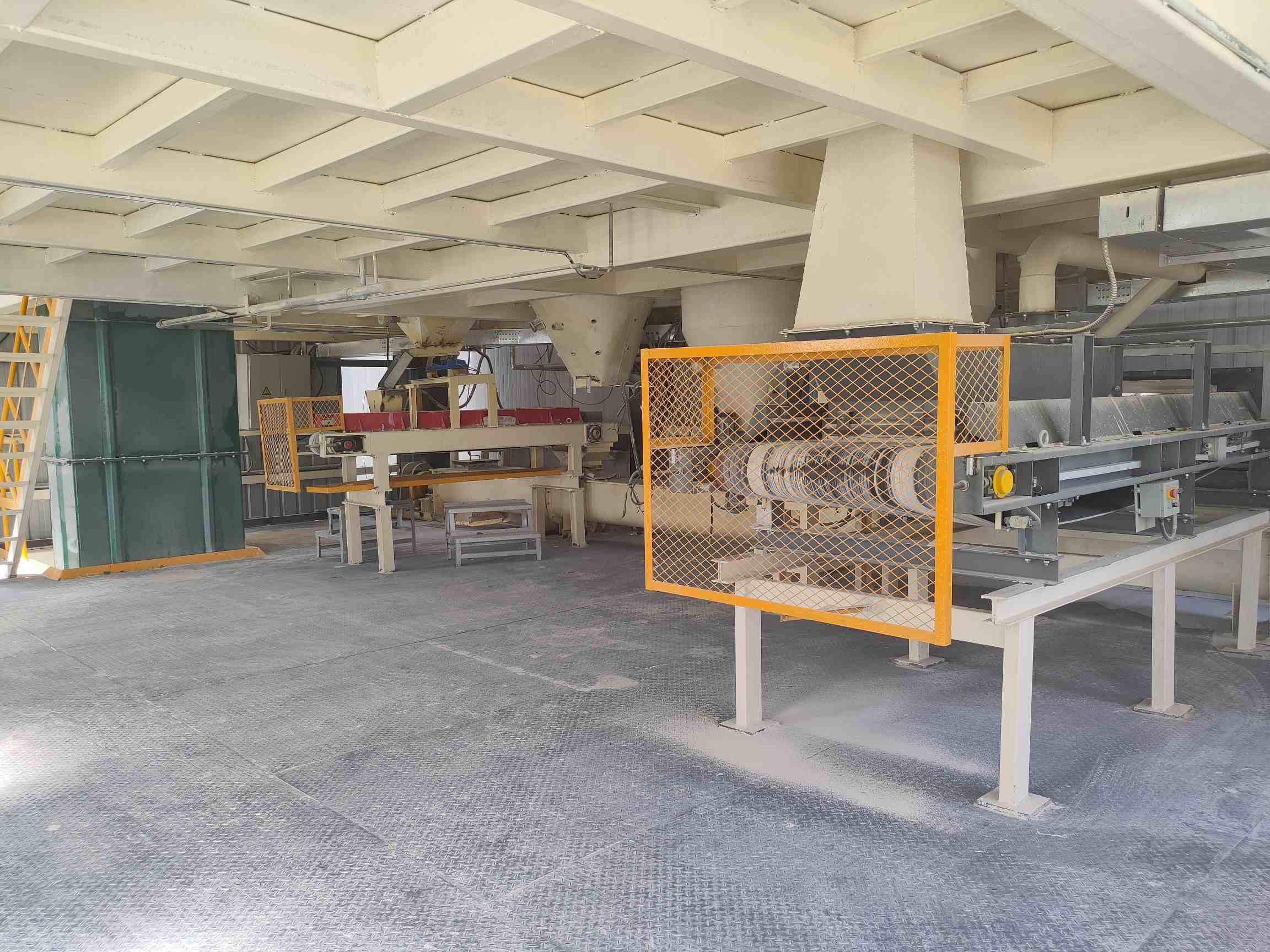
The tangible benefits are clear in the field. One notable case involved a North American board manufacturer struggling with a 12% scrap rate and daily mixer-related interruptions. After replacing their legacy mixer with a modern engineered system, the results were transformative. The scrap rate plummeted to below 3% within weeks. Furthermore, the reliability of the new unit allowed for continuous production runs exceeding 200 hours without failure, dramatically boosting overall equipment effectiveness (OEE) and transforming the profitability of the line.
The message from the forefront of gypsum board manufacturing is unequivocal: the mixer is not a commodity component to be sourced at the lowest price. It is a strategic asset. Compromising on mixer quality initiates a costly cycle of waste, downtime, and customer dissatisfaction. As the industry pushes toward smarter, more efficient, and more sustainable production, the focus on perfecting the "heart" of the process has never been more critical. For any producer aiming for market-leading quality and superior margins, the journey begins with flawless mixing. Investing in a mixer designed for excellence is, ultimately, an investment in the integrity of every single board that leaves the plant.
Copyright By © Shandong Shine Machinery Co.,Ltd
 ไทย
ไทย Indonesia
 Melayu
 Tiếng Việt
 Pусский
 Portugues
 Français
 Deutsch
 日本語
日本語 한국어
한국어 العربية
 Italiano
 Polski
 Nederlands
 Türk dili
 हिन्दी
 Ελληνικά
 Svenska
 Español


