In the world of modern construction, gypsum board is ubiquitous. Yet, its seemingly simple composition belies a complex manufacturing puzzle. The question of what defines a "quality" panel extends far beyond the factory floor. It is a "whole-chain game" where raw material purity, gypsum board production line precision, and even post-production storage conditions converge to determine durability and dimensional stability. For engineers and specifiers, understanding these six critical factors is key to selecting and producing superior boards.
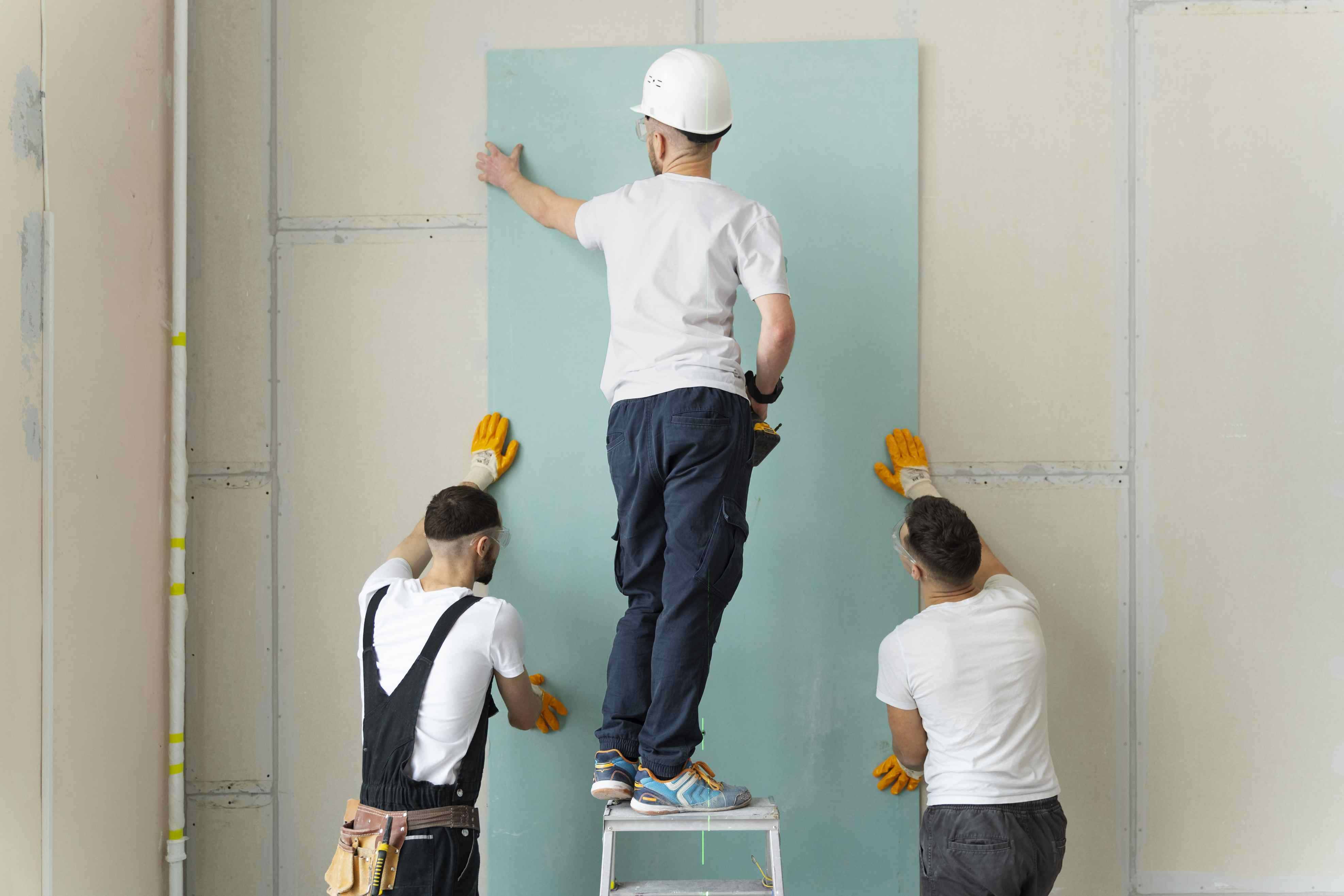
The paper is not merely a wrapper; it functions as the board's tensile reinforcement, directly governing impact resistance, flexural strength, and screw-holding capacity.
Paper Strength: Grammage, thickness, and fiber length are non-negotiable. Low-quality, thin paper leads to brittle boards that fracture under stress during handling or installation.
Bond Integrity: The adhesive bond between paper and core must be flawless. Inadequate bonding results in delamination, "blistering," or "drumminess," which are primary precursors to warping and failure in humid conditions.
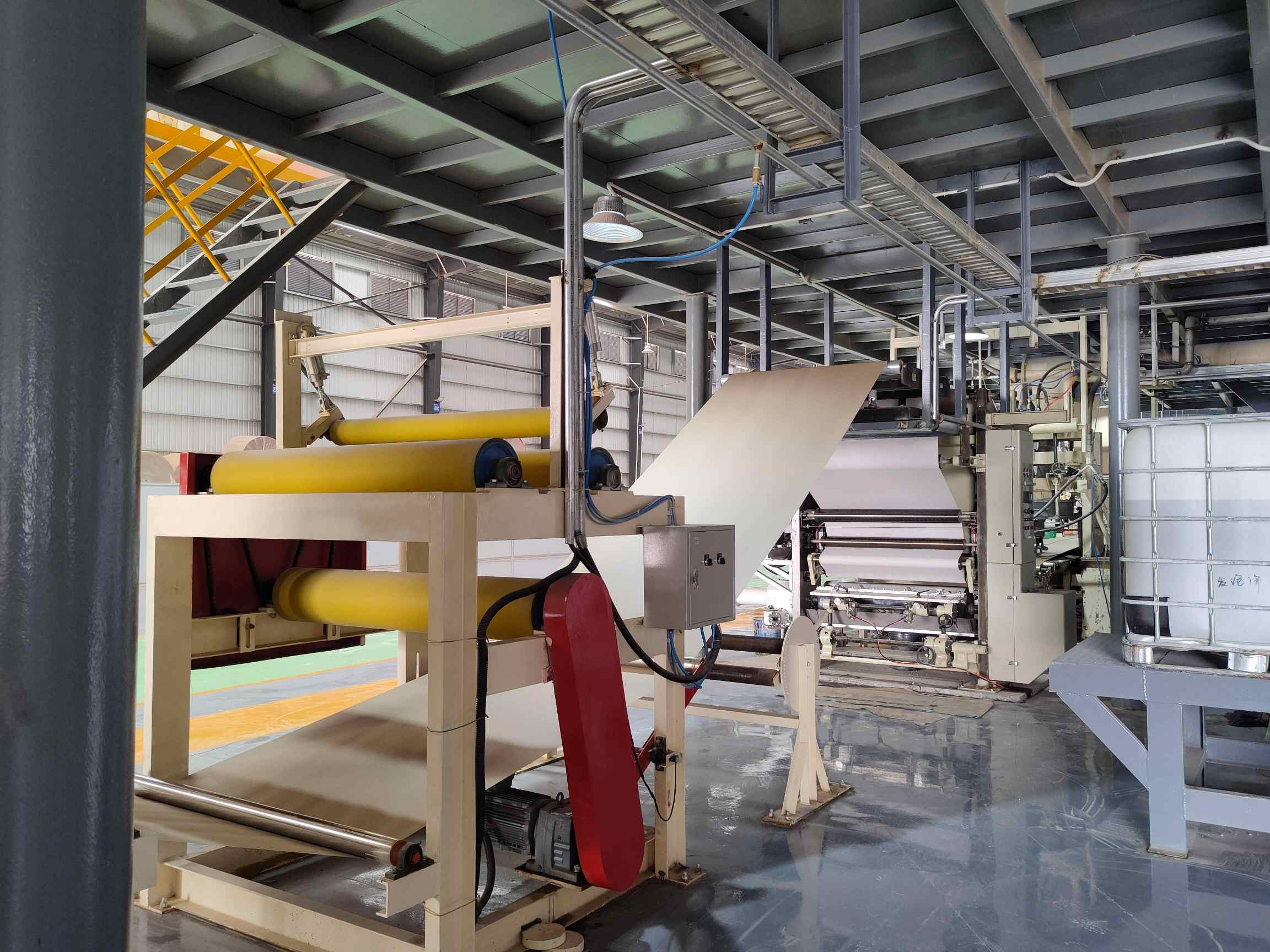
The core's integrity is dictated by chemistry and crystallography.
Gypsum Purity: Industrial by-product gypsum (e.g., desulfurization gypsum) must be rigorously purified. High impurity levels (chlorides, alkalis) weaken the crystalline structure, resulting in a soft, friable core.
Water-to-Gypsum Ratio (W/G): This is the production line's cardinal control parameter. Excessive water creates a low-density core, reduces strength, and drastically extends drying time. Insufficient water compromises slurry flow and formation. The optimal ratio ensures the growth of a dense, interlocking matrix of dihydrate crystals.
Additives: Starch (for bonding), foam (for density control), and set modifiers require micro-adjustments based on ambient temperature and gypsum board production line speed to ensure consistent setting times and core homogeneity.
Machine tolerances dictate physical uniformity.
Forming Station: The forming plates and belts must be perfectly aligned. Any inconsistency in green board thickness will be amplified during drying, manifesting as edge warping, bowing, or "potato chipping."
The Drying Kiln (Dryer): Often the most underestimated bottleneck. An improperly calibrated drying curve (temperature, air velocity, residence time) causes catastrophic defects:
Case Hardening: Surface dries too fast, trapping internal moisture (leads to internal delamination).
Over-burning: Core strength is destroyed, making the board brittle.
Moisture Gradient: Residual stresses from uneven drying cause permanent warping.
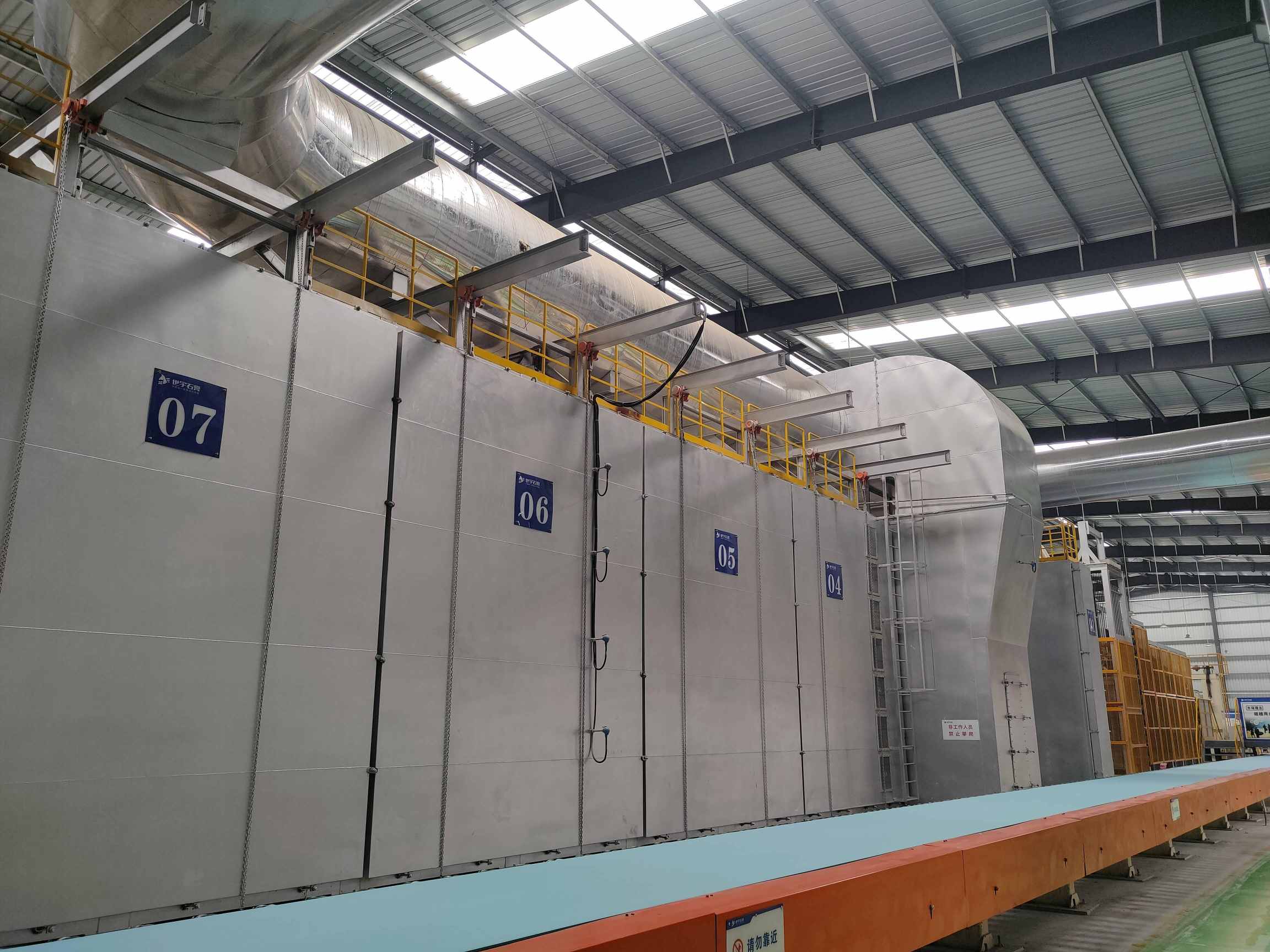
Drying Regime: Must be tailored to board thickness. Drying thick boards too quickly locks in permanent internal stresses as internal moisture struggles to escape.
Curing Time: The "rest time" after forming is critical for complete crystallization. Rushing this stage to increase line speed results in incomplete crystal formation and subpar strength.
Physical Performance: Breaking Load (strength), Moisture Content (the single biggest predictor of in-service deformation), and Surface Density (impacting acoustic performance).
Visual Defects: Diagonal deviation (squareness), surface flatness, edge hardness, and paper integrity.
A perfect board can be ruined after it leaves the gypsum board production line.
Moisture Control: Gypsum is hygroscopic. Exposure to humid environments causes it to soften, sag, and lose rigidity.
Stacking Protocol: Boards must be stored flat. Leaning or vertical storage induces irreversible mechanical deformation.
Quality is not a single checkpoint but a system-wide outcome. A warping issue on-site can often be traced back to a misadjusted W/G ratio at the mixer or an aggressive drying profile. By treating the gypsum board production line as a single, interconnected organism—where raw material specs influence dryer settings—manufacturers can move beyond defect detection and achieve true quality by design.
Copyright By © Shandong Shine Machinery Co.,Ltd
 ไทย
ไทย Indonesia
 Melayu
 Tiếng Việt
 Pусский
 Portugues
 Français
 Deutsch
 日本語
日本語 한국어
한국어 العربية
 Italiano
 Polski
 Nederlands
 Türk dili
 हिन्दी
 Ελληνικά
 Svenska
 Español


