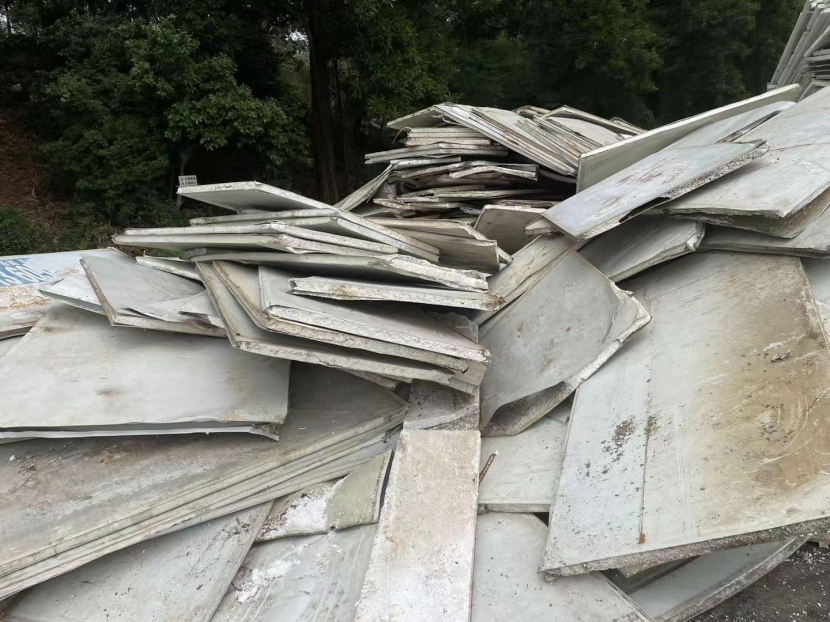
In the contemporary construction and demolition industry, waste management has evolved from a mere logistical necessity to a critical environmental mandate. Among the various debris generated on construction sites, waste gypsum board—commonly known as drywall or plasterboard—represents a significant challenge due to its sheer volume and chemical properties. However, the practice of waste gypsum board recycling is rapidly gaining traction globally, driven not by a single factor, but by a convergence of environmental protection, resource circularity, and economic efficiency. Industry experts and environmental agencies emphasize that recycling this material is essential to mitigating ecological hazards, conserving finite natural resources, and optimizing financial outcomes in construction projects.
The primary impetus for recycling gypsum board lies in the serious environmental and safety hazards associated with its disposal in landfills. When waste gypsum boards are sent to landfills, they are often buried alongside other organic construction debris. In the anaerobic (oxygen-deprived) conditions deep within a landfill, the gypsum—which is calcium sulfate—can be broken down by sulfate-reducing bacteria. This microbial activity leads to the production of hydrogen sulfide (H2S), a toxic, flammable gas characterized by its distinct rotten-egg smell. Hydrogen sulfide is not only a potent air pollutant that causes nuisance odors in surrounding communities but also poses a severe risk to soil and groundwater quality through leachate contamination. Furthermore, gypsum board constitutes a substantial portion of construction and demolition waste, typically accounting for approximately 5% to 15% of the total debris volume by weight. Due to the bulky nature of the boards, disposing of them occupies vast amounts of limited landfill space. By diverting this waste stream through recycling, we significantly alleviate the pressure on landfill capacities and prevent the formation of hazardous gases, ensuring safer and cleaner environments for neighboring populations.
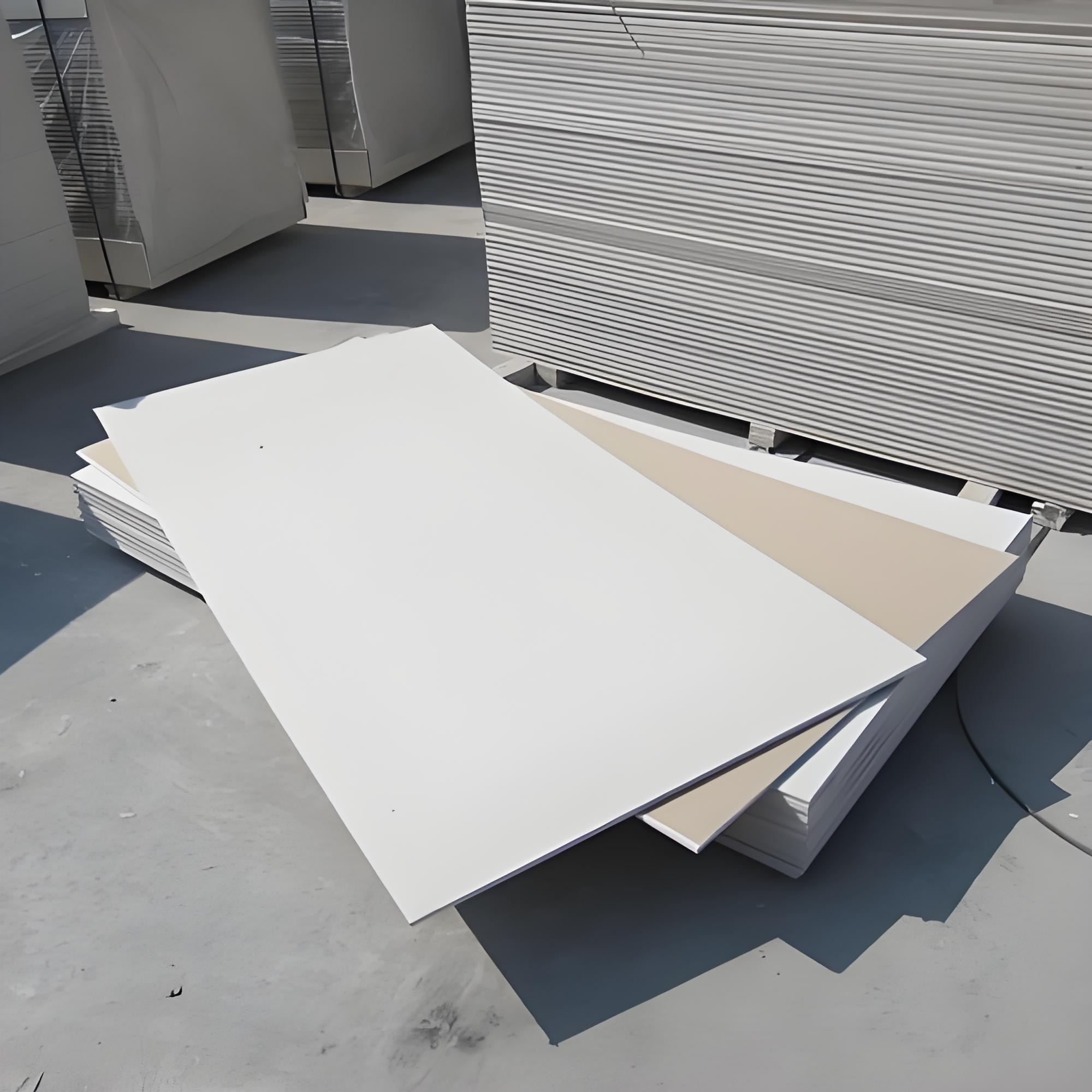
Beyond the defensive measure of preventing pollution, waste gypsum board recycling is a cornerstone of the circular economy, transforming a perceived "waste" into a valuable secondary resource. Gypsum is a unique mineral in that it is 100% recyclable; its core chemical properties remain intact and can be reused indefinitely without degradation. The recycling process typically involves the collection of waste boards, followed by mechanical processes such as crushing, grinding, and screening to separate the paper facings from the gypsum core. Once processed, the resulting recycled gypsum powder can be fed directly back into the manufacturing line to produce new gypsum boards, creating a closed-loop system often described as "waste-to-new-material". This high-value reuse reduces the reliance on virgin gypsum ore mining, thereby preserving natural landscapes and reducing the energy consumption and carbon emissions associated with extraction and long-distance transportation of raw materials. Additionally, recycled gypsum that does not re-enter board production finds beneficial reuse in other sectors; it is widely utilized in agriculture as a soil conditioner to improve soil structure and provide essential calcium and sulfur nutrients for crops, or in the cement industry to control setting times. This versatility ensures that every part of the waste board is utilized, embodying the true spirit of resource efficiency.
The economic and social benefits of adopting a robust gypsum recycling regimen are equally compelling for construction firms and society at large. From a financial perspective, recycling waste gypsum can lead to significant cost savings. By substituting recycled gypsum for newly mined natural gypsum, manufacturers can lower their raw material procurement costs. Furthermore, the energy required to process recycled gypsum is often less than that required for processing raw ore, leading to reduced operational expenses and a smaller carbon footprint. On the construction site, implementing a source-separation protocol for gypsum waste—where boards are kept separate from mixed debris—can streamline waste management logistics. This practice reduces the volume of mixed construction and demolition waste requiring disposal, which in turn lowers tipping fees at landfills and reduces the site area needed for waste stockpiling, thereby improving overall site cleanliness and operational efficiency. Socially, embracing gypsum recycling demonstrates corporate environmental responsibility, helping construction companies comply with increasingly stringent environmental regulations and landfill bans on gypsum waste seen in places like the European Union and parts of North America. It fosters a sustainable image that resonates with eco-conscious clients and stakeholders, contributing to the long-term viability of the construction industry.
In summary, the drive to recycle waste gypsum board is a multifaceted strategy aimed at solving a complex waste problem through innovation and responsibility. It is a necessary shift to prevent the generation of toxic hydrogen sulfide gas and conserve landfill space, while simultaneously unlocking the potential of gypsum as a perpetually reusable resource. By integrating recycling into the lifecycle of building materials, the construction sector not only cuts costs and boosts efficiency but also aligns itself with the global mandate for sustainable development. What was once destined to be a burdensome landfill filler is now recognized as a cornerstone of a greener, more circular built environment.
For advanced gypsum board recycling equipment, welcome to contact Shine Machinery, we offer the entire solution!
Copyright By © Shandong Shine Machinery Co.,Ltd
 ไทย
ไทย Indonesia
 Melayu
 Tiếng Việt
 Pусский
 Portugues
 Français
 Deutsch
 日本語
日本語 한국어
한국어 العربية
 Italiano
 Polski
 Nederlands
 Türk dili
 हिन्दी
 Ελληνικά
 Svenska
 Español


