In the competitive world of building materials, the quality of gypsum powder is not just a matter of raw material purity; it is fundamentally determined by the precision of its thermal transformation. For operators of a modern gypsum powder production line, the calcination stage—where raw gypsum (dihydrate) is converted into usable plaster (hemihydrate)—is the critical bottleneck that separates profitable, high-performance products from costly batches of waste. The industry is increasingly converging on a consensus: mastering the heat is the ultimate determinant of consistency.
At its core, a gypsum powder production line is designed to execute a delicate chemical reaction: the controlled dehydration of calcium sulfate dihydrate (CaSO₄·2H₂O) into beta-calcium sulfate hemihydrate (CaSO₄·0.5H₂O). This process, occurring within a narrow thermal window of approximately 120°C to 180°C, is the soul of the operation. Straying from this window has immediate consequences. "Under-burned" powder, resulting from insufficient temperature or time, retains too much crystalline water, leading to slow setting and weak final strength. Conversely, "over-burned" or "dead-burned" gypsum, created by excessive heat, loses its reactivity entirely, becoming inert and useless for construction applications. The entire engineering effort of a gypsum powder production line is therefore focused on achieving perfect uniformity in this thermal treatment.
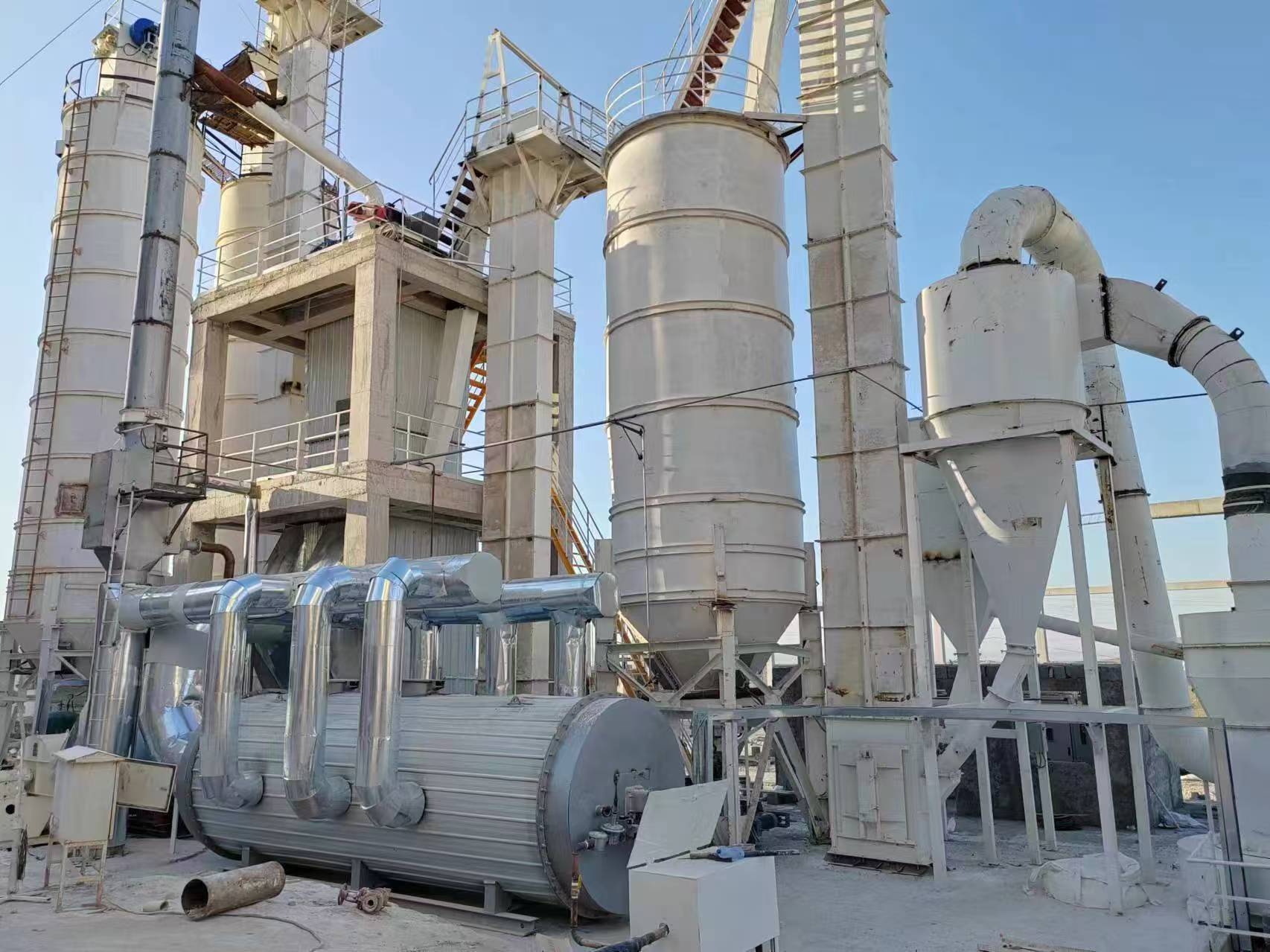
The technology used for calcination has evolved significantly, directly impacting the efficiency and scalability of production.
The Traditional Workhorse: Rotary Kilns. Historically, rotary kilns were the standard. These long, rotating cylinders allow gypsum to tumble while being heated by hot gases. While robust and capable of high throughput, they often struggle with precise temperature control, leading to hotspots and inconsistent product quality across the batch. Their energy efficiency is also typically lower compared to modern alternatives.
The Modern Standard: Fluidized Bed Calciners. The industry shift towards fluidized bed technology represents a major leap in precision. In this system, pre-ground gypsum is suspended ("fluidized") by a stream of hot air, creating a boiling effect that ensures every particle is uniformly heated. This method offers superior heat transfer, resulting in a more predictable and homogeneous phase composition. For a high-volume gypsum powder production line, the fluidized bed's ability to integrate seamlessly with pre-grinding and post-cooling stages makes it the preferred choice for minimizing energy consumption per ton of output.
A common mistake is to view the calciner in isolation. In reality, the quality of the final plaster is heavily influenced by the steps that bookend the heating process.
Pre-Grinding Consistency: The particle size distribution of the raw feed is paramount. Uniformly fine powder ensures that heat penetrates all particles at the same rate. A gypsum powder production line that feeds clumpy or unevenly sized material into the calciner will inevitably produce a mix of underdone and overdone particles, compromising the entire batch.
The Often-Overlooked "Aging" Step: Immediately after calcination, the powder is highly reactive and unstable. The modern practice of "aging" or "curing" the plaster in silos for a defined period (typically 24-72 hours) is not merely storage; it is a crucial quality assurance step. This resting period allows for the equilibration of residual moisture and the stabilization of the crystal structure, which directly translates to consistent setting times and improved workability for the end-user.
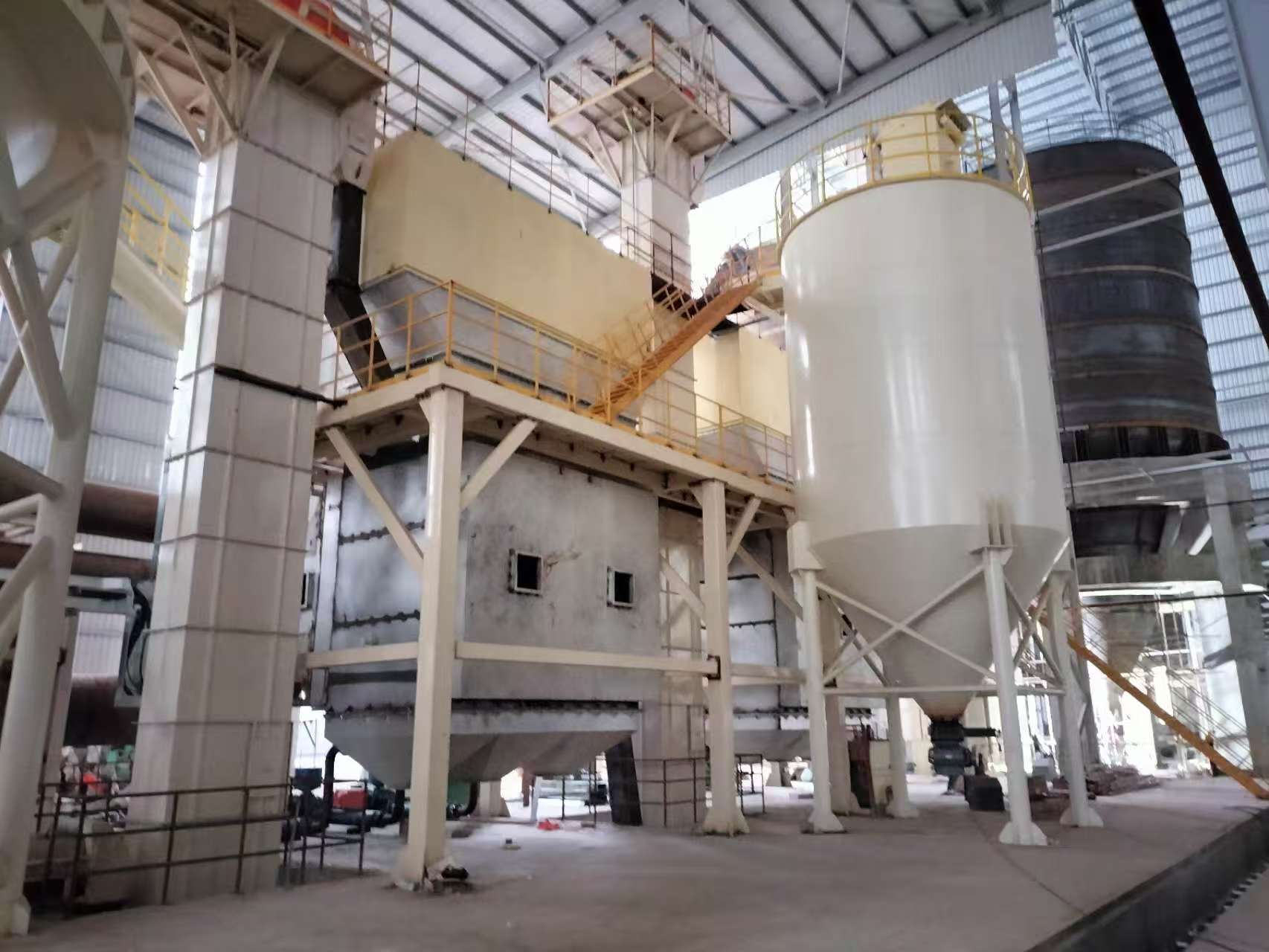
The next frontier for the gypsum powder production line lies in smart control systems. Leading manufacturers are now integrating AI-powered sensors that monitor exhaust gas composition and real-time temperature gradients. These systems can automatically adjust fuel and feed rates to maintain the optimal calcination curve, compensating for variations in raw material moisture or ambient humidity. This move from manual, experience-based operation to data-driven automation is set to become the new benchmark for zero-defect gypsum production.
In conclusion, while the crushing and grinding stages are essential, it is the calcination process that truly defines the value of a gypsum powder production line. Investing in precise, modern thermal technology is not an overhead but a direct investment in product reliability and market competitiveness.
Copyright By © Shandong Shine Machinery Co.,Ltd
 ไทย
ไทย Indonesia
 Melayu
 Tiếng Việt
 Pусский
 Portugues
 Français
 Deutsch
 日本語
日本語 한국어
한국어 العربية
 Italiano
 Polski
 Nederlands
 Türk dili
 हिन्दी
 Ελληνικά
 Svenska
 Español


