The engineered wood industry continues to evolve, yet a core question remains: how do manufacturers achieve the optimal balance between structural performance, cost efficiency, and material sustainability? The answer often lies in the continuous refinement of the modern plywood production line. This integrated system, far more than a simple assembly of machines, is a sophisticated orchestration of processes where the synergy between key components directly determines the final product's quality and the plant's profitability. At its heart, the efficiency and precision of the plywood making machine ecosystem—from veneer preparation to final pressing—set the parameters for what is possible in today's market.
The journey begins long before the plywood hot press is engaged. It starts with the transformation of raw logs into veneer, a foundational step where precision dictates yield. The resulting thin sheets then enter one of the most critical and energy-intensive phases: drying. Here, the veneer dryer plays a decisive role. Modern dryers, whether jet-type, roller, or mesh-belt systems, are tasked with reducing moisture content uniformly to a precise 8-12% without inducing warping or case hardening. The performance of the veneer dryer directly impacts downstream efficiency; poorly dried veneer can lead to glue-line failures and pressing defects, creating waste and increasing costs. Therefore, optimizing this segment of the plywood production line is frequently a primary focus for manufacturers seeking to improve both quality and energy efficiency.
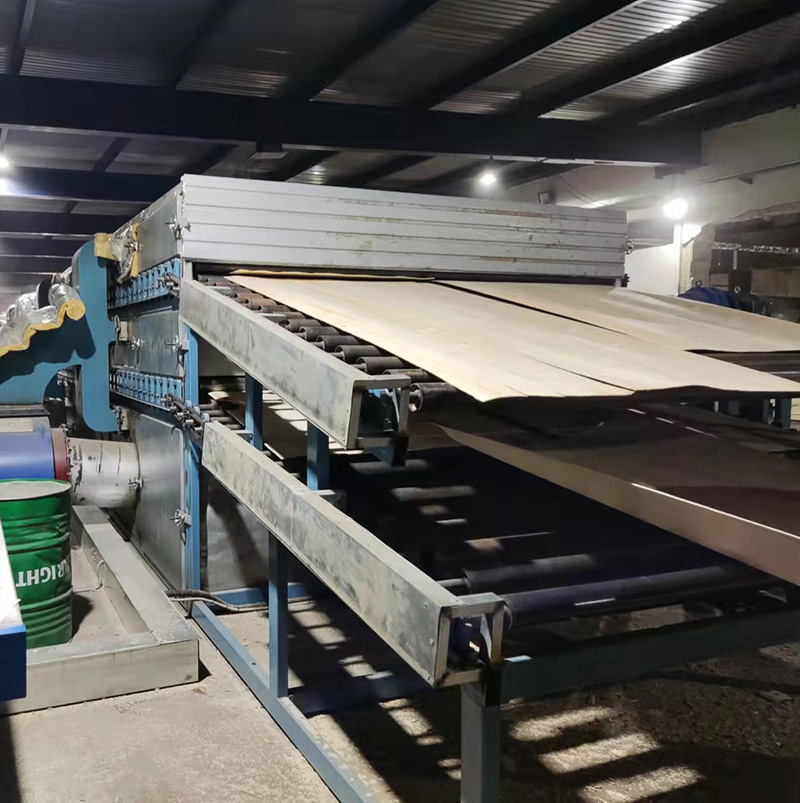
Following drying, veneers move to the layup and gluing stations, where they are coated with adhesive and assembled into cross-laminated panels. This stage highlights the importance of automation in the plywood making machine repertoire. Automated spreaders and lay-up systems ensure consistent glue application and accurate sheet alignment, which are crucial for achieving uniform panel properties. The assembled "green" packs then reach the core of the operation: the plywood hot press. This machine is not merely a clamp but a reactor where heat, pressure, and time are meticulously controlled to cure the adhesive and bond the layers into a solid, stable panel. The technological advancement of the plywood hot press, including the adoption of programmable logic controllers (PLCs) for multi-opening presses and improved heat distribution systems, allows for precise replication of curing cycles, ensuring every batch meets stringent strength and durability standards.
The interconnection between these components defines a high-performance plywood production line. For instance, the consistency provided by an advanced veneer dryer allows the plywood hot press to operate with shorter cure times and lower rejection rates. Similarly, precise veneer preparation from earlier plywood making machines ensures smooth layup and optimal performance in the press. This interdependence means that a bottleneck or quality lapse at any single point—be it drying, gluing, or pressing—can diminish the output and economics of the entire line. Thus, strategic upgrades are often systemic, considering the workflow from log yard to finished panel.
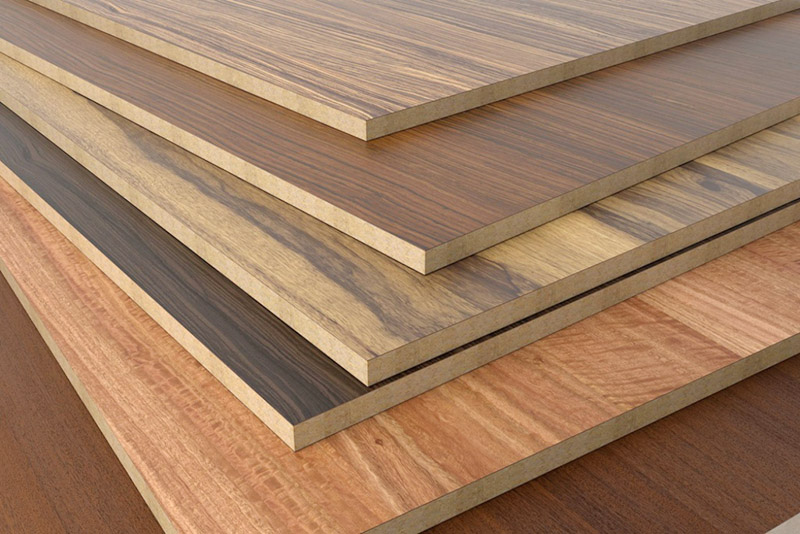
Looking forward, the evolution of the plywood production line is geared towards greater integration, data-driven control, and sustainability. Innovations aim to make the veneer dryer more energy-efficient through heat recovery, enable the plywood hot press to use lower-temperature-curing adhesives, and imbue the entire plywood making machine network with IoT sensors for predictive maintenance. These advancements reaffirm plywood's role as a cornerstone material. Its enduring relevance is less about the product itself and more about the ongoing innovation within the plywood production line that makes it stronger, more consistent, and more sustainably produced for the demands of tomorrow's construction and manufacturing sectors.
Copyright By © Shandong Shine Machinery Co.,Ltd
 ไทย
ไทย Indonesia
 Melayu
 Tiếng Việt
 Pусский
 Portugues
 Français
 Deutsch
 日本語
日本語 한국어
한국어 العربية
 Italiano
 Polski
 Nederlands
 Türk dili
 हिन्दी
 Ελληνικά
 Svenska
 Español


