For a plywood veneer drying line targeting about 4.6–5 m³/h, the purchase price of a veneer dryer machine is only one part of the investment decision. Profitability truly depends on what each saleable cubic meter of dried veneer actually costs to produce. Shine Machinery’s 4-deck roller dryer offers a solid benchmark: around 120 m³/day capacity and a published comprehensive drying cost of USD 12/m³, which includes labor, fuel, and electric power. That makes cost per cubic meter the most practical number for comparing equipment, capacity utilization, and operating margins.

A 5 m³/h production target might look simple on paper. If the line operates continuously for 24 hours, the nominal output is:
5 m³/h × 24 hours = 120 m³/day
This neatly matches the published capacity of Shine Machinery’s 4-deck Veneer Roller Dryer, which is listed at around 120 m³/day. Yet, a plywood mill doesn't earn profit from nameplate capacity alone. The real question is whether the actual dried veneer output can truly cover the labor, fuel, and electricity consumed during operation.
That's why a Veneer Drying System really calls for a unit-cost formula:
Comprehensive drying cost per m³ = total drying operating cost ÷ actual dried veneer output
When actual output dips below the planned level, the cost per cubic meter invariably rises unless operating costs decrease at the same pace. This is precisely why plywood veneer drying projects should use realistic output assumptions instead of relying solely on rated capacity.
Shine Machinery lists the 4-deck roller veneer dryer with a comprehensive veneer drying cost of USD 12/m³, including:
Labor cost
Fuel cost
Electric power
Another Shine Veneer Drying machine page gives a composite drying cost of about USD 6–12/m³ and a drying capacity of around 70 m³/day. These figures serve as equipment-specific references, not universal guarantees. Yet, they guide buyers in structuring their calculations when choosing a veneer dryer.
| Equipment reference | Published capacity | Published cost reference | Heat source |
|---|---|---|---|
| 4-deck roller veneer dryer | Around 120 m³/day | USD 12/m³ | Biomass burner |
| 48 m veneer drying machine | Around 70 m³/day | About USD 6–12/m³ | Biomass burner |
| Low Cost Veneer Dryer Machine | 50–60 m³/day | Not listed on the page | Biomass burner, other options available |
| Vertical dryer configuration | Output varies by model | Less than USD 8/m³ | Listed vertical systems use hot-air or related drying configurations |
For buyers comparing a China veneer dryer manufacturer or China veneer dryer supplier, this table makes it clear why focusing on cost per m³ offers more insight than merely considering equipment size or initial purchase price.
Selecting the right configuration hinges on factors like veneer type, desired output, final moisture content, available floor space, and the overall production process. Shine Machinery’s 4-deck roller dryer handles veneer thickness from 0.6–8 mm, dries fresh veneer to about 8–10% moisture content, and also provides customized moisture content options. It utilizes Q235B, φ102 special shaft tube rollers and a 10-ton, 6 million kcal/h biomass burner.

A Vertical Dryer operates on a distinct drying concept. Shine indicates that vertical loading can boost veneer loading capacity by 30–80% compared with other dryers, and the drying cost is published at less than USD 8/m³ for these vertical dryer configurations. Notably, the vertical core veneer dryer is also described as requiring only about two-thirds of the area of a roller dryer.
The Vertical Veneer Dryer becomes particularly relevant for processes prioritizing core veneer, thicker veneer, or those with less stringent flatness needs. Shine’s vertical tunnel-type core veneer dryer is described as ideal for production where veneer is cut first and then dried. By contrast, the roller Veneer Drying System provides a direct 5 m³/h-class reference for plywood veneer drying, featuring a broad veneer thickness range and documented daily capacity.
For Drying Veneer at an industrial scale, the heat source selection directly impacts the cost per cubic meter. The 4-deck roller veneer dryer employs a biomass burner, with listed fuels including crushed waste wood, tree bark, and wood chips. This is crucial because two factories might acquire similar equipment but achieve different operating results if their fuel costs, labor organization, and actual output vary.
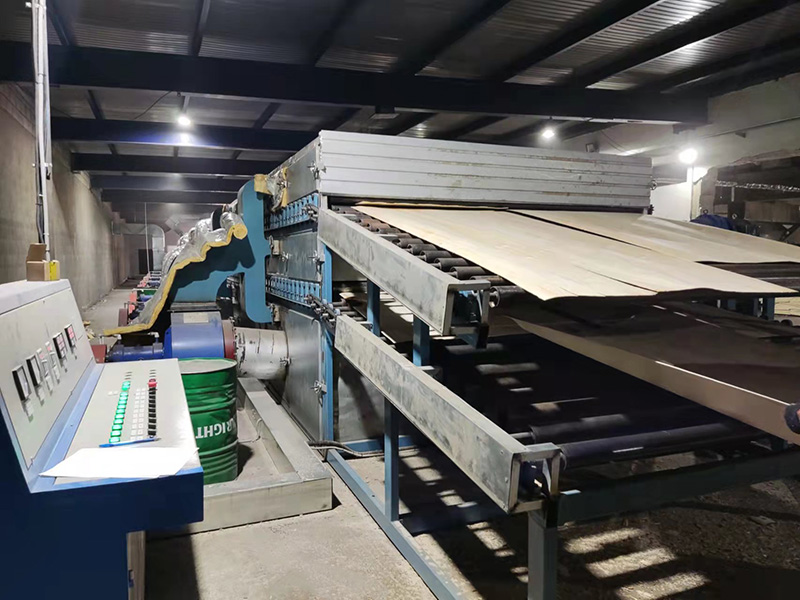
A Low Cost Veneer Dryer ought to be viewed as a comprehensive operating solution, not simply a cheaper initial investment. Shine Machinery’s Low Cost Veneer Dryer Machine is a roller configuration featuring a 3 m working width, 0.8–8 mm veneer thickness range, 32 m heating-area length, and a stated capacity of 50–60 m³/day. Its listed heat source is a biomass burner, with other options available.
This underscores a crucial point: equipment names alone can't replace a thorough calculation. A plywood veneer drying project targeting 4.6–5 m³/h should first define the required dried output, then match the veneer dryer machine to the specific process and fuel conditions.
Before investing in a Veneer Drying System, buyers can follow a clear sequence:
Confirm required output. A 5 m³/h target translates to about 120 m³/day under 24-hour continuous operation.
Define veneer conditions. Check veneer thickness, incoming moisture, final moisture target, and whether the material is primarily core veneer.
Compare dryer architecture. Review roller dryer and Vertical Veneer Dryer options against your actual plywood veneer drying process.
List operating inputs. Include labor, fuel, and electric power, as these are factored into Shine’s USD 12/m³ roller-dryer benchmark.
Use actual output. Divide operating cost by saleable dried veneer volume, not just by theoretical rated capacity.
Check margin per cubic meter. If the drying cost consumes too much of the selling margin, the project needs adjustments before purchase.
For a mill planning Drying Veneer at 4.6–5 m³/h, this method transforms a mere machinery quotation into a strategic production-economics decision. The published USD 12/m³ roller figure, the USD 6–12/m³ composite example, and the less than USD 8/m³ Vertical Veneer Dryer figure offer buyers a solid starting point.
The truly impactful investment question isn't just, “What’s the price tag on this veneer dryer?” Rather, it’s, “What’s the actual cost per cubic meter of dried veneer once labor, fuel, and electricity are factored in?”
Shandong Shine Machinery Co., Ltd showcases various product references on www.veneersdryer.com, assisting buyers in comparing roller and vertical solutions for plywood veneer drying. For purchasers searching for a China veneer dryer manufacturer, China veneer dryer supplier, or China top veneer dryer factory, the most productive initial discussion should cover required dried output, veneer specifications, the heat source, and the target cost per cubic meter.
Yes. Shine Machinery lists USD 12/m³ as the comprehensive veneer drying cost for the 4-deck roller dryer, including labor cost, fuel cost, and electric power.
Yes, under continuous 24-hour operation. The calculation is 5 m³/h × 24 hours = 120 m³/day. Actual output should still be used for final cost modeling.
No. The Vertical Veneer Dryer is positioned for core veneer, thicker veneer, and lower flatness requirements. The roller dryer provides a documented 5 m³/h-class reference and handles 0.6–8 mm veneer.
The listed biomass burner fuels are crushed waste wood, tree bark, and wood chips.
Cost per cubic meter connects operating expenditure directly with saleable dried veneer output, making different equipment configurations easier to compare.
Copyright By © Shandong Shine Machinery Co.,Ltd
 ไทย
ไทย Indonesia
 Melayu
 Tiếng Việt
 Pусский
 Portugues
 Français
 Deutsch
 日本語
日本語 한국어
한국어 العربية
 Italiano
 Polski
 Nederlands
 Türk dili
 हिन्दी
 Ελληνικά
 Svenska
 Español


