A final moisture number might look acceptable, yet the veneer itself could be unsuitable for gluing or pressing. In plywood veneer drying, true acceptance also encompasses moisture uniformity, flatness, absence of cracks, wrinkles, end ripples, collapse, honeycomb structure, and the overall surface condition. Shine Machinery’s information on roller dryers makes this point clear: dried veneer should be smooth, free from cracks, wrinkles, and end ripples, with minimal shrinkage and hardening, while collapse and honeycomb structures are actively avoided.

Moisture content is a crucial checkpoint, but it represents only one facet of the drying outcome. A veneer sheet might register within the target range at a single measurement point, yet still harbor uneven moisture areas, surface wrinkles, end waviness, or internal structural damage. For plywood production, this distinction is important because the subsequent processes rely on stable, glue-ready veneer, not just a moisture percentage.
Shine Machinery’s plywood veneer drying documentation outlines that quality dried veneer should feature uniform moisture content, a flat surface, no wrinkles or end ripples, no cracks, and a surface in optimal condition for gluing. These criteria emphasize the need for acceptance to combine instrument measurement with thorough visual and physical inspection. If collapse or honeycomb structure appears after drying, the batch should not be released simply because the final moisture reading appears correct.

A comprehensive Veneer Drying System goes beyond being just a heating chamber. Shine Machinery’s vertical veneer drying machine, for instance, comprises a feeding area, heating area, cooling area, and a discharging area. Our conveyor roller veneer dryer consists of a transmission room, drying room, cooling room, and various related sections. Every stage influences the final condition of the veneer sheet.
During Drying Veneer, incoming moisture, veneer thickness, transport speed, temperature, air movement, and cooling all play a role in finished quality. Shine’s plywood core dryer machine incorporates automatic electric control and a frequency conversion system, which intelligently adjusts transmission speed and temperature based on veneer thickness and moisture content. This empowers production teams to achieve a stable drying effect, rather than merely relying on a single final reading at discharge.
Our roller dryer documentation pinpoints collapse and honeycomb structure as defects the drying process is designed to prevent. It also specifies that after drying, the veneer should be smooth, with no cracks, wrinkles, or end ripples. This directly connects precise process control to quality acceptance: operators must evaluate both moisture levels and the physical condition of the sheet before advancing the veneer.
The GTH30-48 conveyor veneer dryer machine exemplifies Shine Machinery’s configurable roller equipment. Its documented veneer transport speed ranges from 5–22 m/min, and its waste-wood heating configuration utilizes an adjustable drying temperature of 140–200°C, with a temperature control accuracy of ±5°C. This model is suitable for veneer thicknesses from 0.8–8 mm and boasts a drying capacity of 70–80 m³ per 24 hours.
These are model specifications, not universal settings for every wood species or factory. The key takeaway is that a roller veneer dryer provides adjustable speed and temperature, so any abnormal output warrants a review against incoming veneer thickness, starting moisture, and process records. If sheets exhibit collapse, honeycomb, cracks, or end ripples, the moisture number alone isn't enough to fully explain the batch condition.
Selecting the right equipment is crucial to match your specific product requirements. We primarily position our Vertical Veneer Dryer for core veneer, certain surface and bottom veneers, thick veneers, and applications with less stringent flatness requirements. Its documented advantages include a composite drying cost below $8/m³, stated as 30–60% of the drying cost of other dryer types, and a 30–80% higher loading capacity compared to other dryers.
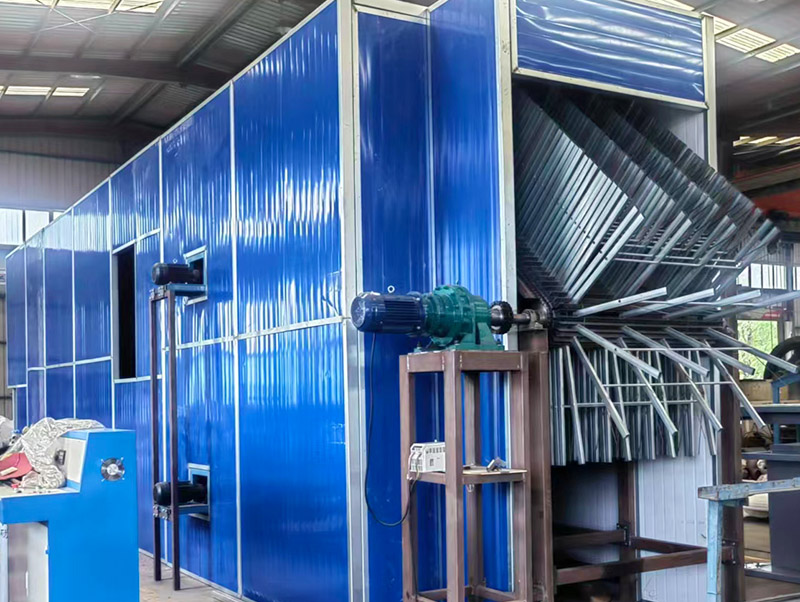
For those seeking a Low Cost Veneer Dryer, these figures are compelling. However, cost must always be weighed against the required output condition. If your production line demands flatter veneer for subsequent gluing and pressing, the output criteria of our roller dryers—such as smooth veneer, absence of cracks, wrinkles, or end ripples, and the prevention of collapse and honeycomb—become particularly crucial in your purchasing decision.
Before dried veneer proceeds to gluing or pressing, production teams can implement a practical acceptance sequence:
Confirm the required final moisture result.
Check whether moisture is uniform across the batch.
Inspect whether sheets are flat and free from buckle or end waviness.
Reject sheets with visible cracks, wrinkles, or end ripples.
Examine the veneer for collapse or honeycomb structure.
Confirm that the surface is suitable for subsequent gluing.
This checklist ensures that moisture measurement remains a vital part of the process, yet prevents it from becoming the sole determinant of quality. It also assists factories in linking drying defects to controllable variables like veneer thickness, incoming moisture, dryer temperature, and transport speed.
International buyers evaluating a China veneer dryer manufacturer, China veneer dryer supplier, or conducting searches like “China top veneer dryer factory” should look past merely the headline moisture target. More pertinent questions include: What veneer thickness range can the machine handle? What drying capacity is documented? Does the equipment support precise temperature control and speed regulation? What physical quality is expected after drying? Is the machine more suitable for core veneer, thick veneer, or flatter, glue-ready sheets?
Shandong Shine Machinery Co., Ltd, known as Shine Machinery, offers comprehensive veneer drying equipment information via our website, www.veneersdryer.com. Our published product pages feature roller veneer dryers, conveyor veneer drying machines, core veneer drying machines, and vertical veneer drying machines, providing buyers with a clear basis for matching dryer structure with their specific plywood production requirements.
No. Final moisture is necessary, but acceptance should also include uniform moisture, flatness, absence of cracks, wrinkles, end ripples, collapse, honeycomb structure, and a suitable surface condition for gluing.
Collapse and honeycomb are physical drying defects. A final moisture reading may not reveal whether the sheet's structure, surface, or ends have remained suitable for the next processing stage.
Shine Machinery’s plywood veneer drying information describes good dried veneer as having uniform moisture content, flatness, no wrinkles or end ripples, no cracks, and a surface in good condition for gluing.
Shine Machinery positions the Vertical Veneer Dryer mainly for core veneer, some surface and bottom veneers, thick veneers, and applications with lower flatness requirements.
Operators should review veneer thickness, incoming moisture, dryer temperature, transmission speed, and the visible condition of the discharged veneer.
Copyright By © Shandong Shine Machinery Co.,Ltd
 ไทย
ไทย Indonesia
 Melayu
 Tiếng Việt
 Pусский
 Portugues
 Français
 Deutsch
 日本語
日本語 한국어
한국어 العربية
 Italiano
 Polski
 Nederlands
 Türk dili
 हिन्दी
 Ελληνικά
 Svenska
 Español


