A biomass-fired veneer dryer can look like the simplest way to cut heating spend—especially when a plywood plant has plenty of wood chips and bark on hand. The problem is that waste wood supply is not always predictable. When internal residues drop, buyers often discover that the total veneer dryer operating cost depends on more than “cheap fuel.”
This article summarizes what to check in a veneer dryer and core dryer configuration when waste wood availability changes: cost structure, heat-source options, and the controls that protect Dry Veneer quality during Drying Veneer.

Biomass heating is often selected because it can burn wood residues generated during veneer and plywood processing. Shine Machinery describes its biomass burner as a patented product that can burn crushed wood chips and tree barks directly as fuel, helping solve waste accumulation while reducing fuel cost.
What changes when residues become insufficient is the buyer’s cost exposure. A veneer dryer is a continuous system: if the heat source becomes harder to secure, the risk moves from fuel price to production planning. In practical terms, waste wood shortages can force changes in:
Fuel sourcing and handling: the dryer may still run, but the plant has to manage additional procurement and storage.
Drying stability: changing fuel quality can make it harder to keep a steady drying temperature.
Cost per cubic meter of output: the true metric is not just fuel price, but the total cost to deliver Dry Veneer at the required moisture.
Shine Machinery publishes an operating cost of USD 6–12 per m³ for its roller veneer dryer machine, stating the figure includes labor, fuel, and electricity. That range is useful as a planning reference, but procurement teams typically evaluate how the figure behaves when waste wood availability is no longer steady.
When mills discuss waste wood fuel veneer drying cost, it helps to separate costs that change with biomass availability from costs that do not.
On its roller veneer dryer machine page, Shine Machinery lists:
Operating cost: 6–12 USD/m³ (labor + fuel + electricity)
Final moisture content: 0–15%
Heat source: standard biomass burner, with optional gas/steam/thermal oil heating systems
For a buyer, the key question is how resilient that veneer dryer operating cost is when fuel supply shifts. Even if the veneer dryer stays mechanically reliable, unstable fuel can raise the “effective” cost by reducing usable uptime or pushing the plant toward alternative heat-source planning.
Energy planning is not only about the burner. Fan power and drive power also affect operating cost per m³.
Shine’s veneer dryer line introduction states it adopts an axial fan, and that fan power is described as half the power of traditional dryers. For purchasers, the takeaway is straightforward: when waste wood supply is unstable, controlling electricity consumption helps keep total cost predictable, even if fuel sourcing becomes more complex.
Heat-source flexibility matters most when waste wood becomes uncertain. Shine’s product pages describe multiple heat options across its veneer dryer portfolio.
A biomass burner veneer dryer is positioned for plants that want to use wood residues such as crushed wood chips and tree bark. Shine’s biomass burner description emphasizes direct burning of these residues as fuel.
For procurement, the decision point is whether waste wood supply is stable enough to keep the veneer dryer running without frequent changes to operating plans.
Shine’s core veneer dryer introduction notes that the equipment can be heated by a steam boiler along with thermal oil or biomass burner. Steam can be considered when a plant already has a suitable steam system and wants to align the veneer dryer with existing utilities.
Shine provides a dedicated thermal oil veneer dryer configuration with published parameters including:
Working width: 3 m
Deck: 2
Heating area length: 40 m; cooling area length: 4 m
Veneer thickness: 0.8–8 mm
Drying capacity: 60–70 m³/24h
This gives buyers a concrete comparison option when evaluating a veneer dryer line that may not rely solely on biomass.
For the roller wood veneer dryer machine, Shine lists optional gas heating alongside optional steam and thermal oil. Gas can be evaluated where it fits local installation conditions and procurement strategy.
Important for buyers: the presence of multiple heat-source options on product pages indicates configuration availability, but switching arrangements should be confirmed during project engineering and ordering.
When fuel quality or availability changes, the Veneer Drying Process can drift unless the system has stable control over temperature and residence time.
Shine’s product pages describe continuous roller conveying, hot-air drying sections, and a cooling section in its lines. The process objective is consistent moisture reduction and flat, usable veneer.

Shine’s roller veneer dryer line description states:
Fresh core veneer moisture percent is about 60–80%
After drying, final moisture percent is about 0–15%
That wide final range reflects different process requirements. Procurement teams typically align the veneer dryer selection with their downstream needs, including whether the plant uses a core dryer stage dedicated to specific veneer types.
Shine’s GTH30-20 core veneer drying machine page provides a detailed control-and-capacity snapshot that buyers can use as a reference point. Published parameters include:
Working width: 3.0 m; decks: 4
Heating area length: 16 m; cooling area length: 4 m
Veneer thickness: 0.6–8 mm
Adjustable drying temperature: 140–200°C; temperature control accuracy: ±5°C
Veneer transport speed: 5–22 m/min
Drying capacity: 2.5 m³/h
Fresh veneer to about 8–10% moisture
Total power: 145.5 kW; actual electricity consumption about 100 kWh per hour
In procurement terms, these control features matter because they help a core dryer maintain target results when heat input is less stable.
Buyers often shortlist a veneer dryer by capacity, then validate heat source and energy use. The following published figures illustrate how different Shine machines are positioned.
| Example configuration | Published capacity | Published heating zone | Heat source notes (as listed) |
|---|---|---|---|
| Roller wood veneer dryer machine | 70–80 m³/day | Heating area length 44 m | Standard biomass burner; optional gas/steam/thermal oil |
| Veneer dryer line (4 deck) | 140–150 m³/day | Heating area length 40 m | Biomass burner (other options available) |
| Roller drying machine for veneer | 110–120 m³/day | Heating zone length 32 m | Biomass burner (other options available) |
For many buyers, the practical lesson is that “veneer dryer capacity” and “heat source” must be reviewed together. If waste wood supply shifts, selecting a veneer dryer that aligns with realistic heat planning is often more valuable than focusing only on burner type.
When waste wood supply is uncertain, procurement teams can keep evaluation disciplined by verifying a short list of items during supplier discussions:
Target moisture range: confirm the Dry Veneer requirements and match them to the veneer dryer’s published final moisture capability (Shine lists 0–15% on multiple pages, and about 8–10% for the GTH30-20).
Veneer thickness range: ensure the veneer dryer supports your mix (Shine commonly lists 0.8–8 mm, and 0.6–8 mm on the core dryer model).
Heating area and cooling section: compare heating zone length and whether a cooling area is included (e.g., 44 m heating area on the roller wood veneer dryer machine; 40 m heating plus 4 m cooling on the thermal oil model).
Heat-source options on the quotation: confirm whether the veneer dryer is configured for biomass burner, steam, thermal oil, or gas at purchase.
Electricity planning: request installed power and expected consumption under your operating conditions; Shine publishes electricity figures for the GTH30-20.
Process control features: for a core dryer or veneer dryer line, verify temperature control accuracy and adjustable conveyor speed where relevant.
To explore the relevant product pages, buyers commonly start with the Roller Wood Veneer Dryer, the Veneer Dryer Line, and the Core Veneer Drying Machine. For plants comparing alternative utilities, the Thermal Oil Veneer Dryer page is also a useful reference.
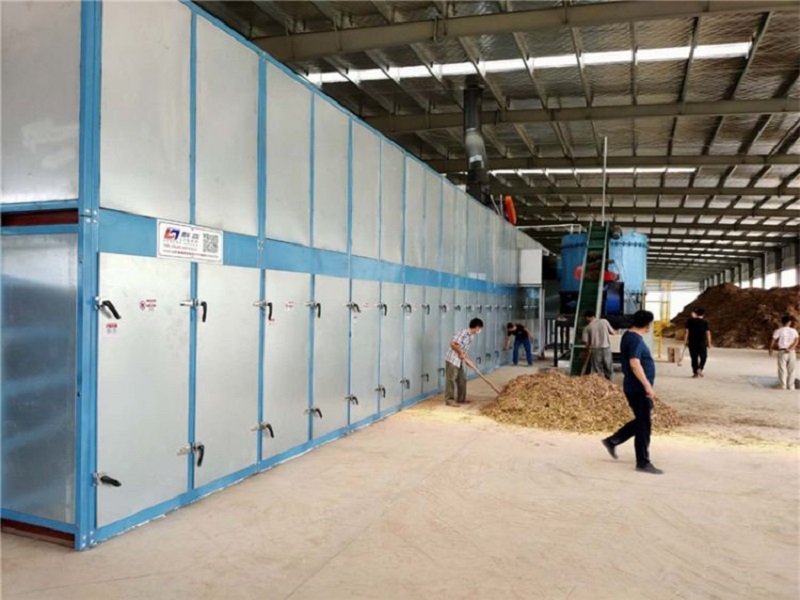
A veneer dryer project stays economical when it is designed around total drying cost per cubic meter, not just the expected price of waste wood. Shine Machinery’s published benchmarks—such as USD 6–12/m³ composite cost and final moisture targets including 0–15%—provide a starting point for evaluation. From there, buyers can reduce risk by verifying capacity, electricity planning, and whether the selected veneer dryer, core dryer, or veneer dryer line is configured for the heat source strategy the plant can reliably support.
Shine Machinery lists USD 6–12 per m³ as an operating cost for its roller wood veneer dryer machine, including labor, fuel, and electricity.
Shine’s veneer dryer line description states fresh core veneers can be about 60–80% moisture, and after the Veneer Drying Process the final moisture can be about 0–15%. The GTH30-20 core dryer page lists fresh veneer to about 8–10%.
Shine lists a standard biomass burner on the roller wood veneer dryer machine page, with optional gas, steam, or thermal oil heating systems.
Buyers typically focus on heating zone length, capacity per day or per hour, electricity consumption, and control capabilities such as adjustable temperature and conveyor speed.
Shine Machinery publishes specifications on its official product pages at www.veneersdryer.com, including pages for the roller veneer dryer, core dryer models, and veneer dryer line configurations.
Copyright By © Shandong Shine Machinery Co.,Ltd
 ไทย
 Indonesia
 Melayu
 Tiếng Việt
 Pусский
 Portugues
 Français
 Deutsch
 日本語
 한국어
 العربية
 Italiano
 Polski
 Nederlands
 Türk dili
 हिन्दी
 Ελληνικά
 Svenska
 Español



