Word count: ~780 Title: Indonesia Plywood Mill Cuts Veneer Waste with Automated Vertical Veneer Dryer Solution Meta description: This case shows how an Indonesia plywood factory solved uneven drying, high reject rates and high fuel cost by installing a new vertical veneer dryer for eucalyptus and rubberwood veneer.

A medium-sized plywood manufacturer in Indonesia faced serious bottlenecks in veneer drying before upgrading its production line. The mill mainly processes eucalyptus and rubberwood veneer for local plywood and furniture export orders. Like many Southeast Asian wood factories, it struggles with hot, humid weather all year round. Its old traditional veneer dryer could not keep stable temperature and air flow, so finished veneer sheets often had uneven moisture content, edge warping and surface cracks. The veneer defect rate stayed above 8%, which meant lots of veneer had to be discarded or re-dried. Slow drying speed also limited daily output, and rising biomass fuel costs squeezed profit margins heavily.
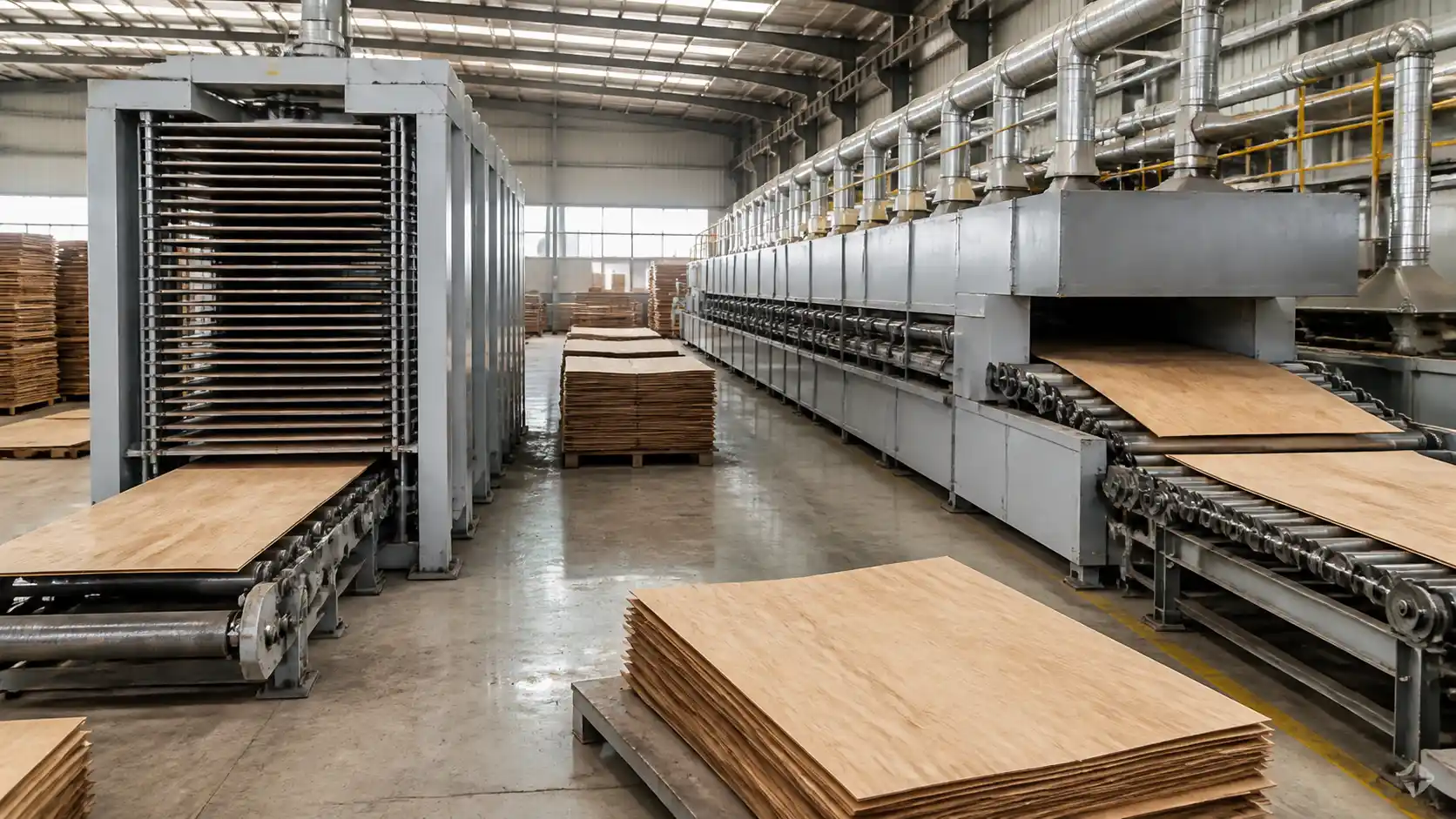
After comparing multiple veneer dryer suppliers, the factory selected our customized vertical veneer dryer system. The vertical veneer dryer is designed for high-humidity tropical workshops, with independent zone temperature control, adjustable air circulation and online moisture detection sensors. Different from roller veneer dryers that need long workshop space, this vertical veneer dryer saves floor area, which perfectly matched the limited space of this Indonesia plant. The technical team adjusted heating curve parameters specially for local eucalyptus veneer, to avoid over-drying or under-drying.
Once the veneer dryer was fully commissioned, the production improvement appeared quickly. The stable drying control brought veneer moisture consistently to 8–12%, the standard range required for plywood pressing. Veneer warping and cracking defects dropped sharply, and the reject rate fell below 2.5%. Daily veneer output increased by 32% without expanding workshop size. Thanks to optimized hot air recycling design, the vertical veneer dryer also reduced biomass fuel consumption by nearly 26%. Less rework saved extra labor, and the factory could deliver export orders on time steadily.
The plant manager shared that the biggest gain from the new veneer dryer was stable product quality. Local and overseas buyers now accept plywood panels with fewer complaints about delamination or bubbling after hot pressing. The intelligent control panel lets operators adjust drying parameters easily for different veneer thickness and wood species, lowering requirements for skilled workers.
This Indonesia project proves that a well-matched vertical veneer dryer is a cost-effective upgrade for tropical plywood factories. If your mill also meets trouble with unstable veneer drying, high waste and rising energy bills, our custom veneer dryer solution can be tailored to your wood types, workshop layout and target output.
Copyright By © Shandong Shine Machinery Co.,Ltd
 ไทย
 Indonesia
 Melayu
 Tiếng Việt
 Pусский
 Portugues
 Français
 Deutsch
 日本語
 한국어
 العربية
 Italiano
 Polski
 Nederlands
 Türk dili
 हिन्दी
 Ελληνικά
 Svenska
 Español